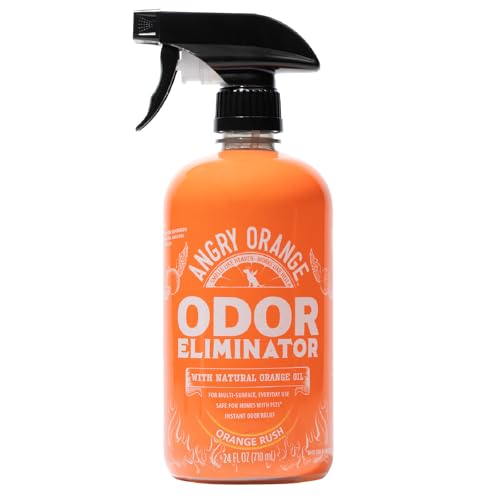
How do enzyme cleaners work on dog urine?
Enzyme cleaners contain specific proteins called enzymes that act as biological catalysts. They break down the urea, uric acid, and other components in dog urine into harmless substances like carbon dioxide and water. This process eliminates both the stain and the odor at a molecular level, rather than just covering it up with fragrances. For best results, the cleaner needs to stay wet on the stain for a period of time, typically 10 to 15 minutes, to allow the enzymes to fully digest the waste. This makes them highly effective for removing even old, set-in urine odors.
Are enzymatic urine cleaners safe for pets?
Yes, most enzymatic cleaners are formulated to be safe for pets once they have dried. They typically use natural or biodegradable ingredients that are non-toxic. However, it's important to keep pets away from the wet solution until it is completely dry, as some products may cause mild irritation if ingested or if they come into contact with sensitive skin. Always check the label for specific safety instructions. Avoid cleaners that contain harsh chemicals like bleach, ammonia, or phenols, as these can be harmful to dogs. If you have concerns, consult your veterinarian.
Can enzyme cleaners remove set-in urine odor?
Yes, enzyme cleaners are specifically designed to remove set-in urine odors, but they may require multiple applications. For old, dried stains, the urine crystals have bonded to the fibers, so the enzymes need to penetrate deeply. First, re-wet the area with water to help dissolve the crystals, then apply the enzyme cleaner generously. Allow it to sit for the recommended time, then blot or rinse. Repeat the process if the odor persists. In some cases, especially with porous materials like unsealed concrete or old carpet padding, professional cleaning may be needed.
How do I repair yellow spots on my lawn from dog urine?
Yellow spots are caused by the high nitrogen and salts in dog urine. To repair them, first flush the area with water to dilute the urine. Then apply a lawn repair product specifically designed for dog spots, such as Dog Rocks Lawn Repair. These products neutralize the nitrogen and provide nutrients to help grass regrow. You can also overseed the area with grass seed and keep it well-watered. For heavy shedders, consider training your dog to urinate in a designated area with mulch or gravel to protect the lawn.
Is it better to use a cleaner on carpet or hard floors for dog urine?
Both surfaces require different approaches. On carpets, use an enzymatic spray cleaner that can penetrate deep into the fibers and padding. Blot, don't rub, and allow dwell time. On hard floors (tile, hardwood, laminate), use a cleaner that is safe for the finish. Avoid excessive moisture on hardwood to prevent warping. For both, ensure the cleaner is pet-safe once dry. Hard floors are easier to clean and less absorbent, but urine can seep into grout or cracks. Carpet traps odors more, so enzyme cleaners are essential.
Can I use dog urine cleaner around my other pets?
Yes, most pet-safe cleaners are formulated to be non-toxic to other pets like cats, birds, or small animals once dry. However, keep all pets away from the area while it is wet to prevent ingestion or skin contact. Some pets may be sensitive to certain fragrances or ingredients, so test in a small area first. If you have birds, avoid cleaners with strong fumes. Always follow the manufacturer's instructions and ensure the area is well-ventilated during application. If in doubt, choose an unscented, hypoallergenic formula.
Can I use a carpet cleaning machine with enzymatic cleaners?
Yes, many enzymatic cleaners are compatible with carpet cleaning machines. You can add the cleaner to the machine's solution tank according to the product's dilution instructions. This is effective for deep cleaning large areas or multiple stains. However, be aware that some machines may not allow enough dwell time for the enzymes to work. For best results, pre-treat stains by spraying the cleaner directly and letting it sit for 10 to 15 minutes before using the machine. After cleaning, do a final rinse with water to remove any residue.
What should I do if my dog keeps urinating in the same spot?
First, thoroughly clean the area with an enzymatic cleaner to remove all odor traces. Dogs are attracted to the smell of urine, so even a faint scent can encourage remarking. Block access to the spot temporarily with furniture or a pet gate. Consider using a deterrent spray with a scent dogs dislike. Also, evaluate your dog's potty schedule; they may need more frequent breaks. If the behavior persists, consult a veterinarian to rule out medical issues like a UTI, or a certified dog trainer for behavioral help.
Are there any safety concerns with using urine cleaners around dogs?
The main safety concern is ingestion of the wet product. While most cleaners are non-toxic once dry, the liquid can cause gastrointestinal upset if consumed in large amounts. Always keep dogs away from the area until it is completely dry. Also, avoid cleaners with essential oils that can be toxic to dogs, such as tea tree oil or citrus oils in high concentrations. Ensure the product is specifically labeled as pet-safe. If your dog shows signs of illness after exposure, contact your veterinarian immediately.