Quick answer
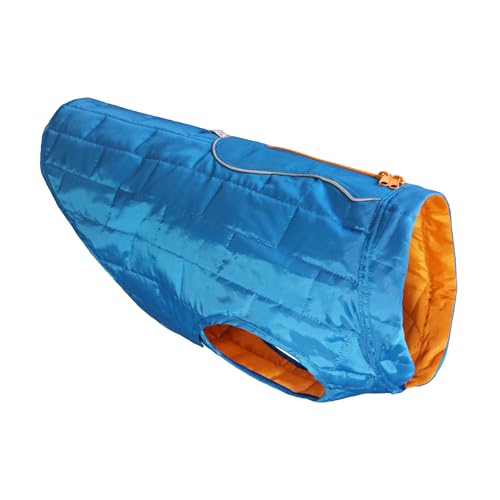
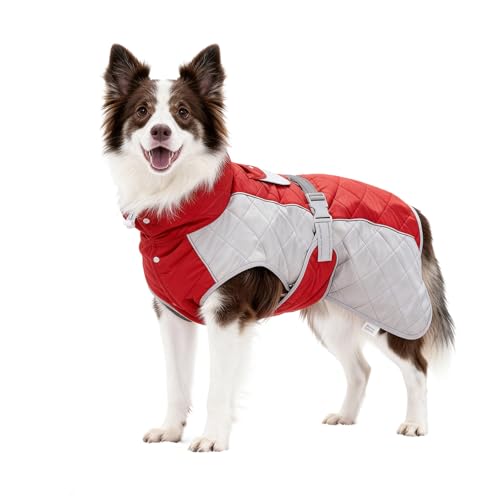
Our top pick is the Ruffwear Powder Hound Insulated Dog Coat for its excellent warmth, waterproof outer shell, and secure fit. For active dogs, the Kurgo Loft Dog Jacket offers great mobility and a reflective trim. Budget-conscious owners will appreciate the Rabbitgoo Dog Winter Coat with its adjustable straps and fleece lining.
What to consider for Dog Winter Coat For Countryside Walks
Countryside walks often involve mud, rain, and cold winds. A good winter coat should be waterproof or water-resistant, windproof, and insulated without being too bulky. Look for a coat that covers the chest and belly but allows full leg movement. Reflective elements are important for low-light visibility. Consider your dog’s activity level: a high-energy dog may overheat in a heavy coat, while a short-haired breed needs more insulation.
What to look for in a gear item (harness, collar, leash or muzzle)
For winter coats, focus on fit and sizing: measure your dog’s length (base of neck to base of tail) and girth (around the chest behind front legs). Durable hardware like YKK zippers and strong buckles ensure longevity. Safety features include reflective strips for visibility and a D-ring for leash attachment. Comfort comes from soft inner linings and adjustable straps to prevent chafing. A no-pull design is not applicable to coats, but a coat with a harness opening allows use with a no-pull harness.
How we chose these picks
- Evaluated insulation and weather resistance for cold, wet conditions.
- Checked fit and adjustability for various body shapes.
- Considered ease of putting on and taking off.
- Looked for safety features like reflectivity and secure closures.
- Read verified customer reviews for durability and real-world performance.
- Compared price to value, focusing on quality materials.
- Never ranked a product higher just because it pays a commission.
What to avoid
- Ill-fitting sizes that restrict movement or rub.
- Flimsy zippers or snaps that break on active dogs.
- Coats with excessive padding that cause overheating during exercise.
- Non-waterproof materials that become heavy when wet.
- Lack of reflective elements for safety in low light.
For more tips, see our dog guides and dog care products and dog health sections.