Quick answer
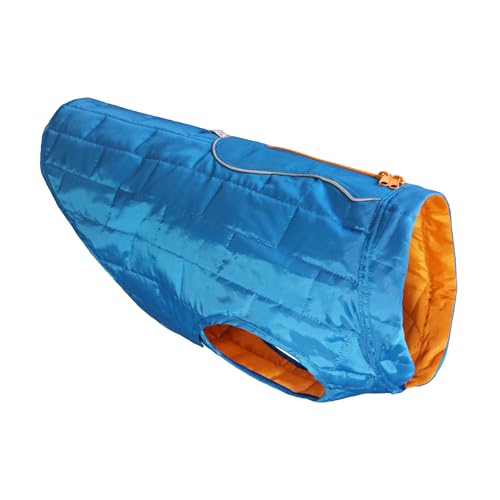
The best dog winter coat for reactive dogs is the Ruffwear Powder Hound Insulated Dog Coat for its secure fit, easy step-in design, and reflective trim. For budget-conscious owners, the Rabbitgoo Dog Winter Coat offers excellent warmth and a no-pull chest loop. If your dog needs maximum visibility, the Kurgo Loft Dog Coat has high-visibility stripes and a harness opening.
What to consider for Dog Winter Coat For Reactive Dogs
Reactive dogs often experience anxiety during walks, so a coat that is easy to put on and take off without causing stress is crucial. Look for coats with minimal buckles or Velcro that might startle your dog. A coat that accommodates a harness is important because many reactive dogs benefit from a front-clip harness for better control. Also consider weather resistance, insulation, and reflective elements for safety during low-light walks.
What to look for in a gear item (harness, collar, leash or muzzle)
When choosing a winter coat for a reactive dog, focus on: correct fit and sizing (measure neck, chest, and back length), durable hardware and materials (water-resistant outer shell, secure zippers or snaps), safety features (reflective strips, breakaway buckles for quick removal), comfort and padding (soft lining, no chafing), and a no-pull design (some coats have a D-ring for leash attachment to discourage pulling). Avoid coats that restrict movement or have noisy tags.
How we chose these picks
- Researched top-rated winter coats for dogs with anxiety or reactivity.
- Evaluated ease of use for stressed dogs: step-in designs, minimal fasteners.
- Checked compatibility with harnesses and no-pull features.
- Prioritized safety features like reflective trim and breakaway buckles.
- Read verified buyer reviews for real-world feedback on fit and durability.
- Compared prices across brands to offer budget-friendly options.
- Never ranked a product higher just because it pays a commission.
What to avoid
- Ill-fitting sizes that cause rubbing or restrict movement.
- Flimsy clips or zippers that break on strong dogs.
- Aversive tools like prong collars or shock collars used without professional guidance.
- Retractable leashes near traffic as they can break or cause injury.
For more tips, check our dog guides and dog care products and dog nutrition pages.