Quick answer
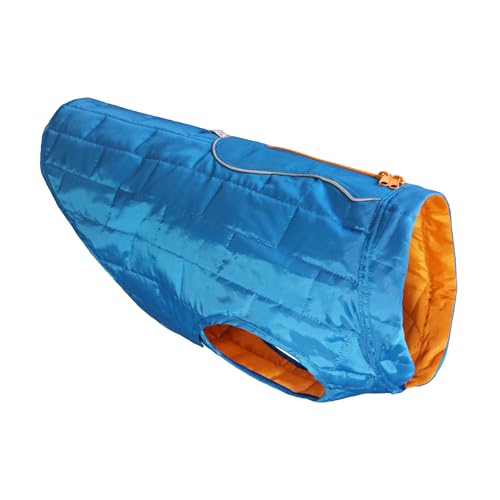
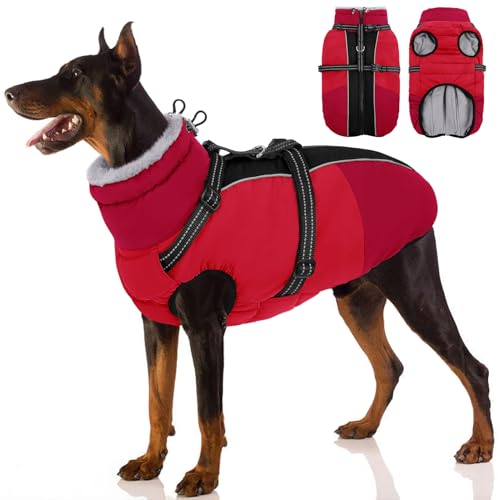
Our top pick is the Ruffwear Powder Hound Insulated Dog Coat. It combines a waterproof shell with warm insulation, making it ideal for post-swim warmth. For a more affordable option, the Kurgo Loft Dog Coat offers good insulation and a water-resistant outer layer. The Chai’s Choice Winter Coat is another solid choice for deep chested breeds.
What to consider for Dog Winter Coat For Swimming
When your dog swims in cold weather, the coat must dry quickly and retain warmth even when wet. Look for materials like fleece or synthetic insulation that insulate when damp. A waterproof outer shell prevents wind chill. The coat should allow full range of motion for swimming and not restrict the front legs. Also consider a coat with a D-ring for leash attachment if you need to secure your dog after swimming.
What to look for in a dog winter coat for swimming
Correct fit and sizing: measure chest girth and back length; the coat should not drag or restrict movement. Durable hardware and materials: rustproof zippers, strong buckles, and reinforced stitching. Safety features: reflective strips for low-light visibility, no dangling parts that could snag. Comfort and padding: soft lining that won’t chafe, and enough insulation for cold weather. No-pull design: a front clip harness option is not typically on a coat, but some coats have a leash ring; ensure it’s sturdy.
How we chose these picks
- Evaluated water resistance and insulation based on product specifications and materials.
- Checked customer reviews for real-world performance after swimming.
- Prioritized coats with secure closures and reflective elements for safety.
- Considered fit for various body types, including deep chested and barrel chested dogs.
- Assessed ease of putting on and taking off, especially for wet dogs.
- Compared price points to offer options for different budgets.
- Never ranked a product higher just because it pays a commission.
What to avoid
- Ill-fitting sizes: a coat that is too tight restricts movement; too loose can cause tripping.
- Flimsy clips that fail on strong dogs: avoid thin plastic buckles.
- Aversive tools used without professional guidance: never use a choke or prong collar on a wet dog.
- Retractable leashes near traffic: after swimming, dogs may be excited and unpredictable.
For more guidance, check out our dog guides and dog care products and dog health resources.