Quick answer
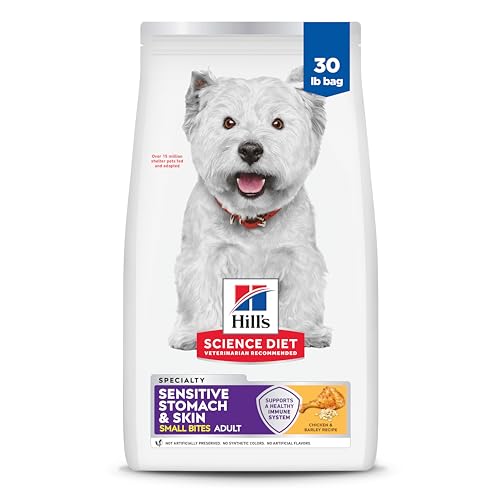
For most dogs with allergies, our top pick is Hill’s Science Diet Adult Sensitive Stomach & Skin. It combines prebiotic fiber for digestive health with vitamin E and omega-6 fatty acids for skin support. If your dog needs a novel protein, consider Purina Pro Plan Adult Sensitive Skin & Stomach Salmon & Rice. For a budget-friendly option, Diamond Naturals Skin & Coat All Life Stages offers great value.
What to consider for Dry Dog Food For Allergies
Allergies in dogs often manifest as itchy skin, ear infections, or gastrointestinal upset. The most common triggers are proteins like chicken, beef, and dairy, as well as grains like wheat and corn. When choosing a dry dog food for allergies, look for a limited ingredient diet with a single novel protein source (e.g., salmon, lamb, duck) and a single carbohydrate source (e.g., sweet potato, rice). Avoid foods with artificial additives, fillers, and by-products. Always consult your veterinarian to identify the specific allergen and rule out other causes.
What to look for in a dog food
First, ensure the food is AAFCO complete and balanced for your dog’s life stage (adult, puppy, or all life stages). The first ingredient should be a named meat source (e.g., salmon, lamb). Protein content should be around 22 to 32 percent for adults, fat 10 to 20 percent, and calories 350 to 450 kcal per cup. For large breeds, look for controlled calcium and phosphorus levels and joint support (glucosamine and chondroitin). For small breeds, smaller kibble size is helpful. Omega-3 and omega-6 fatty acids (from fish oil or flaxseed) support skin health. Avoid unnecessary fillers and artificial preservatives.
How we chose these picks
- Evaluated ingredient lists for limited ingredients and novel proteins.
- Checked that each recipe meets AAFCO nutrient profiles for the stated life stage.
- Prioritized brands with strong quality control and feeding-data reviews.
- Considered customer reviews for palatability and reported improvement in allergy symptoms.
- Ensured a range of price points to suit different budgets.
- Selected options with added omega fatty acids for skin health.
- Included both grain-inclusive and grain-free options with clear labeling.
- Never ranked a product higher just because it pays a commission.
What to avoid
- Unnamed “meat meal” as the only protein source (e.g., “poultry meal”) – it can be a mixture of species and may trigger allergies.
- Defaulting to grain-free or legume-heavy recipes without veterinary guidance – the FDA is still investigating a potential link to DCM. Grain-inclusive is the safer default unless a vet advises otherwise.
- All-life-stages food for a large-breed puppy – it may have improper calcium levels that affect bone development.
- Abrupt diet switches – transition over 7 to 10 days to avoid digestive upset.
For more guidance, explore our dog guides, dog food, and dog health resources.


