Quick answer
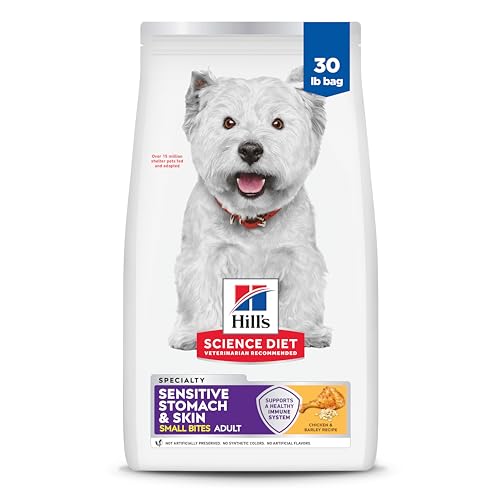
For most farm dogs, Purina Pro Plan High Protein Sport Performance 30/20 is our top pick. It provides 30% protein and 20% fat to fuel hardworking dogs, plus glucosamine for joints. If your dog has a sensitive stomach, consider Hill’s Science Diet Adult Sensitive Stomach & Skin. For a budget-friendly option, Diamond Naturals Extreme Athlete offers solid nutrition at a lower price.
What to consider for Dry Dog Food For Farm Dogs
Farm dogs often work long hours in variable weather, requiring a diet rich in protein and fat for sustained energy. Look for a named meat source as the first ingredient and a calorie density around 350 to 450 kcal per cup. Joint support from glucosamine and chondroitin is beneficial for active dogs. Also consider the kibble size; large breeds may need larger kibble to slow eating. Avoid foods with excessive fillers like corn or soy, which provide little nutritional value.
What to look for in a dog food
Choose a food with an AAFCO complete and balanced statement for the appropriate life stage (adult maintenance or all life stages). The first ingredient should be a named meat (e.g., chicken, beef, lamb). For active farm dogs, protein content should be 25% to 35% and fat 15% to 25% on a dry matter basis. Calorie density typically ranges from 350 to 450 kcal per cup. Large breed formulas often include glucosamine and chondroitin for joint health, and omega-3 fatty acids (from fish oil or flaxseed) support skin and coat. If your dog is a large breed puppy, choose a large breed puppy formula to control growth rate and reduce joint issues.
How we chose these picks
- Evaluated ingredient lists for named meat sources and absence of artificial additives.
- Checked guaranteed analysis for protein, fat, and fiber levels suitable for active dogs.
- Considered calorie density to match high energy needs.
- Looked for added joint supplements (glucosamine, chondroitin) and omega fatty acids.
- Reviewed brand reputation and adherence to AAFCO feeding-data reviews or formulation.
- Included options at various price points to suit different budgets.
- Selected products widely available on Amazon for reader convenience.
- Never ranked a product higher just because it pays a commission.
What to avoid
- Avoid foods where the primary protein source is an unnamed “meat meal” (e.g., “poultry meal” without specifying chicken or turkey).
- Do not default to grain-free or legume-heavy recipes unless your vet recommends it; the FDA is investigating a potential link between grain-free diets and canine dilated cardiomyopathy (DCM). Grain-inclusive is the safer default.
- Never feed an “all life stages” food to a large-breed puppy, as it may promote rapid growth and increase the risk of orthopedic problems.
- Avoid abrupt diet switches; transition over 7 to 10 days by mixing increasing amounts of new food with old.
For more guidance, explore our dog guides and related categories like dog food and dog nutrition.