Quick answer
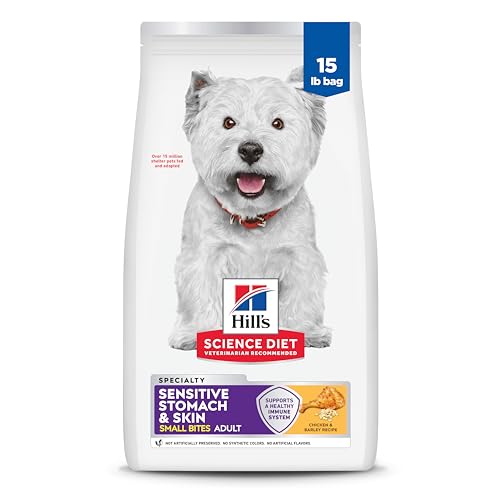
For most Maltese, our top pick is Royal Canin Maltese Adult Dry Dog Food, a breed specific recipe with small, easy to pick up kibble shaped for a tiny jaw, named animal protein, and a calorie level suited to a 4 to 7 pound dog. If your Maltese has a touchy stomach, Hill’s Science Diet Adult Small Paws Sensitive Stomach and Skin is a gentler, easy to digest option. For puppies, Royal Canin X-Small Puppy matches the high calorie needs of a growing toy breed, while Wellness Complete Health Toy Breed suits owners who want a grain inclusive recipe with a named meat first. Diamond Naturals Small Breed Adult is our value choice when budget matters most. Always confirm the recipe fits your dog’s life stage and ask your veterinarian about any specific health needs.
What to consider for Dog Food For Maltese
The Maltese is a toy breed that usually weighs about 4 to 7 pounds, so portion sizes are tiny and calorie density matters. A small overfeed that looks trivial can add real weight to a dog this small. Small breeds can also be prone to drops in blood sugar, sometimes called hypoglycemia, especially as young puppies, so consistent meals and an appropriately calorie dense food can help, and you should ask your veterinarian if your dog seems weak or wobbly between meals.
Maltese are also known for tear staining and a long white coat, so many owners look for recipes with named protein and omega fatty acids that support skin and coat condition, though no food can guarantee it will reduce staining. Dental crowding is common in toy breeds, so kibble small enough to chew comfortably is important. Many Maltese also have sensitive stomachs, so a simple, highly digestible recipe is often a sensible starting point. None of this replaces veterinary advice for a specific medical condition.
What to look for in a dog food
Look first for an AAFCO complete and balanced statement for the correct life stage, either adult maintenance or growth for a puppy, so the food is nutritionally complete as a primary diet. Check that a named meat such as chicken, lamb, or salmon is the first ingredient, rather than a vague “meat meal” with no animal named. For most healthy adult Maltese, a protein level in the range of about 25 to 30 percent and a fat level around 12 to 18 percent on a dry matter basis is a sensible general target, but your veterinarian may suggest different numbers for your individual dog.
Because the Maltese is a small or toy breed, choose a small breed formula with small kibble and a calorie density that suits a low daily intake. Large breed formulas are not appropriate here. Omega 3 and omega 6 fatty acids may support skin and coat, and added glucosamine or chondroitin can support joints in older small dogs, though these are supportive ingredients and not treatments. When in doubt, share the label with your veterinarian before switching.
Find the right food for your dog’s needs
The picks above suit a healthy adult Maltese. For a specific life stage or health need, use these focused guides.
- Puppies: see our guide to the best Maltese food for puppies.
- Seniors: see our guide to the best Maltese food for senior dogs.
Which food type is best?
Dry, wet, fresh, raw and dehydrated foods can all work for a Maltese. The right one depends on your budget, your dog’s preferences and any health needs.
- Dry: most economical and convenient, and the crunch helps clean teeth.
- Wet: higher moisture and often more palatable, useful for fussy eaters or as a topper.
- Fresh and gently cooked: minimally processed with recognisable ingredients, at a higher cost.
- Raw and freeze-dried raw: high protein and minimally processed; handle safely and ask your vet first.
Getting the best value
The cheapest bag is not always the best value. A quality food that keeps your Maltese lean, with a healthy coat and firm stools, often means fewer vet visits. Feed to a healthy body condition rather than the bag maximum, and choose a recipe built around quality animal protein.
How we chose these picks
- We compared products using publicly available manufacturer information, ingredient panels, and published nutrient data, not personal lab testing.
- We prioritized recipes carrying an AAFCO complete and balanced statement for the relevant life stage.
- We favored foods listing a named animal protein as the first ingredient over generic unnamed meat meals.
- We checked that kibble size and calorie density suited a small or toy breed like the Maltese.
- We considered digestibility and simpler ingredient lists for the many Maltese with sensitive stomachs.
- We reviewed each brand’s recall history and manufacturing transparency where that information was public.
- We included options across a range of budgets so cost is not a barrier to a complete diet.
- Never ranked a product higher just because it pays a commission.
What to avoid
- Recipes that rely on an unnamed “meat meal” as the only protein source, with no animal species named on the label.
- Defaulting to grain free or legume heavy recipes without reason. The FDA investigation into a potential link between certain diets and canine dilated cardiomyopathy is ongoing, and grain inclusive recipes are the safer default unless your veterinarian advises otherwise.
- Feeding an all life stages food to a large breed puppy, since the calcium and calorie balance is not appropriate for big growing dogs. For a Maltese this is less of a concern, but match life stage carefully.
- Abrupt diet switches. Transition over about 7 to 10 days by slowly mixing in the new food to reduce the risk of stomach upset, which sensitive small dogs are prone to.
For more help choosing, browse our dog guides, our dog food reviews, and our dog nutrition guides.