Quick answer
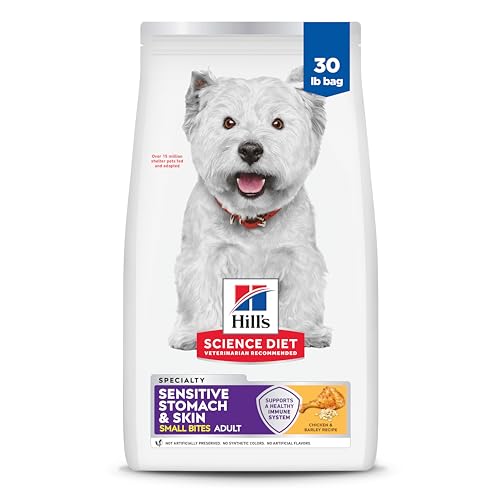
For most multi-pet homes, our top pick is Purina Pro Plan Complete Essentials. It offers balanced nutrition for all life stages, a high-quality chicken first ingredient, and a sensible price per pound. If you have a sensitive stomach pup, Hill’s Science Diet Sensitive Stomach is a close runner-up. For budget-conscious families, Diamond Naturals All Life Stages provides excellent value without sacrificing quality.
What to consider for Dry Dog Food For Multi Pet Homes
Feeding multiple dogs means juggling different ages, sizes, and health needs. A single bag of food should ideally meet AAFCO requirements for all life stages or at least cover the most common needs in your pack. Consider kibble size: large breed dogs need larger pieces to slow eating, while small breeds may struggle with oversized kibble. Calorie density matters too; a high-calorie food may cause weight gain in less active dogs, while a low-calorie option may leave a growing puppy hungry. Storage and feeding logistics are also key: a large bag should stay fresh, and you may need separate feeding stations to prevent resource guarding. Finally, ingredient consistency is vital for dogs with allergies or sensitivities; a limited-ingredient diet can simplify mealtime for the whole crew.
What to look for in a dog food
First, ensure the food has an AAFCO statement indicating it is complete and balanced for the appropriate life stage(s). Look for a named meat (e.g., chicken, lamb, or salmon) as the first ingredient. Protein content typically ranges from 22% to 32% for adult dogs, while fat ranges from 10% to 20%. For multi-pet homes, a food labeled for all life stages can simplify feeding, but be cautious with large-breed puppies: they need controlled calcium and phosphorus levels. Omega-3 and omega-6 fatty acids support skin and coat health, and joint supplements like glucosamine and chondroitin benefit active or older dogs. Avoid foods with excessive fillers like corn, wheat, or soy, though moderate amounts are acceptable in a balanced diet.
How we chose these picks
- Evaluated ingredient quality and AAFCO nutritional adequacy statements.
- Prioritized foods with named meat as the first ingredient and no unnamed meat meals.
- Considered calorie density and kibble size to suit multiple dogs of different sizes.
- Reviewed customer feedback for palatability across various breeds and ages.
- Checked for inclusion of joint-supporting supplements and omega fatty acids.
- Assessed value per pound to keep feeding costs manageable for multi-dog households.
- Selected only well-established brands with a history of rigorous quality control.
- Never ranked a product higher just because it pays a commission.
What to avoid
- Avoid foods with an unnamed “meat meal” as the sole protein source; it can be a mix of unspecified animal parts.
- Be cautious with grain-free or legume-heavy recipes. The FDA is investigating a potential link between these diets and canine dilated cardiomyopathy (DCM). Unless your vet advises otherwise, a grain-inclusive formula is the safer default.
- Avoid feeding an all-life-stages food to a large-breed puppy, as it may have improper calcium/phosphorus ratios.
- Never switch your dog’s food abruptly; transition over 7 to 10 days to prevent digestive upset.
For more guidance, explore our dog guides, dog food resources, and dog nutrition articles.