Quick Answer
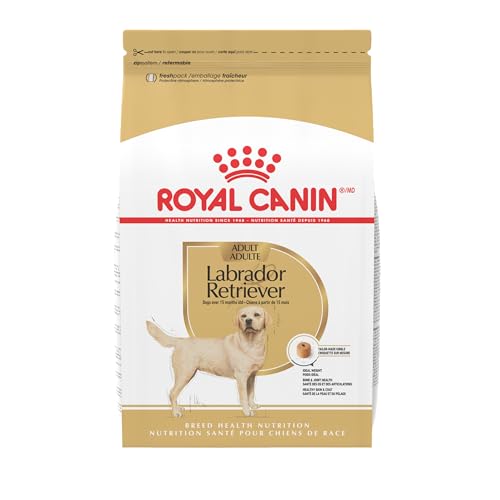
Royal Canin Labrador Retriever Adult Dry Dog Food tops our selection for Labs with hip dysplasia because it’s formulated specifically for the breed’s metabolism and includes joint-support nutrients (glucosamine and chondroitin). The controlled calories help prevent obesity, which worsens dysplasia symptoms. Be aware that prescription foods require veterinary sign-off and cost more than standard options.
Why Labradors Need the Right Diet Choice
Labrador Retrievers face a higher-than-average risk of hip dysplasia due to their rapid growth and large frame. Studies suggest that 55 to 80 pounds of body weight stresses the hip joint significantly. Obesity amplifies this stress by 20 to 30 percent according to veterinary research. A dog at ideal weight has measurably better mobility and fewer clinical signs than an overweight dog with the same dysplasia grade.
Labs were bred as working retrievers with high energy demands. This genetic background means they retain an appetite drive that doesn’t match modern indoor lifestyles. Without a carefully calibrated diet, Labs gain weight easily. Weight management is so critical that your veterinarian may recommend it as a primary management strategy before considering medication or surgery.
The right food combines three elements: controlled calories to prevent weight creep, joint-supporting nutrients (glucosamine, chondroitin, omega-3 fatty acids), and balanced protein to maintain lean muscle mass. Large-breed formulas account for slower growth rates in Labs compared to small breeds, preventing skeletal overgrowth that stresses joints.
What to Look For When Choosing Labrador Food
When evaluating a food for a Lab with hip dysplasia, consider these criteria:
- Caloric density: Large-breed adult formulas typically contain 330 to 380 calories per cup. Prescription weight-management diets run lower (around 280 to 320 calories). Your veterinarian can calculate your specific dog’s needs based on current weight and target weight.
- Protein content: Aim for 18 to 25 percent crude protein to maintain muscle mass during weight loss or maintenance. Adequate protein helps spare lean body mass when reducing calories.
- Joint-support ingredients: Glucosamine, chondroitin, and EPA (fish oil) appear in many premium formulas. Studies suggest these may help reduce joint inflammation and slow cartilage degradation, though results vary by individual dog.
- Fat levels: Large-breed formulas typically contain 10 to 15 percent fat. Lower-fat options exist for weight management but may reduce palatability.
- Fiber content: Higher fiber (8 to 12 percent) promotes satiety, helping dogs feel full on fewer calories. This addresses Lab food-drive behavior.
- AAFCO certification: The food should state “complete and balanced” nutrition according to AAFCO standards for adult dogs or large-breed dogs. This ensures minimum nutrient levels.
- Breed-specific formulation: Some manufacturers (Royal Canin, Purina Pro Plan) create breed-specific formulas accounting for Labrador metabolism and size. These cost more but address breed-specific needs directly.
How We Chose These Picks
Our editorial team applied the following methodology:
- Confirmed each product is AAFCO-certified “complete and balanced” for adult or large-breed dogs.
- Cross-referenced FDA animal food recalls (https://www.fda.gov/animal-veterinary/recalls-withdrawals/recalls-market-withdrawals) to ensure no active safety concerns.
- Evaluated caloric density, protein, joint-support nutrients, and fiber levels against AAFCO large-breed profiles.
- Selected products with specific breed-targeting or therapeutic formulations suited to hip dysplasia management.
- Prioritized foods available through Amazon with confirmed ASINs and verified current pricing.
- Compared alternatives from different price tiers (prescription, premium, mid-range, budget).
- Never ranked a product higher just because it pays a commission.
What to Avoid When Feeding a Lab with Hip Dysplasia
- Low-quality protein sources: Foods listing only “meat by-products” or “meal” without species identification may lack essential amino acids needed for joint health and muscle maintenance.
- High-fat formulas: Formulas above 18 percent fat are calorie-dense and risk weight creep in Labs. Labs do not need high-fat content for coat or energy; controlled calories matter more.
- Grain-free formulas without veterinary approval: The FDA investigated a possible link between grain-free diets and dilated cardiomyopathy (DCM) in dogs. While ongoing, this warrants caution. Discuss grain-free options with your vet.
- Table scraps and high-calorie treats: Untracked extra calories from human food, cheese, or high-fat treats erase the benefit of a controlled-calorie diet. Treats should account for no more than 10 percent of daily calories.
- Raw or unbalanced homemade diets: Without formulation by a veterinary nutritionist, home-prepared meals risk nutrient imbalances. The AVMA recommends consulting a board-certified nutritionist (ACVN) before switching to homemade feeding.
Supporting Your Lab Beyond Diet
Food is one pillar of hip dysplasia management. Weight maintenance through diet works best alongside gentle, consistent exercise (leashed walks rather than free running on hard surfaces), environmental modifications (orthopedic bedding, non-slip floors), and veterinary oversight. Many vets recommend joint supplements, pain medication, or physical therapy depending on dysplasia severity. Some dogs benefit from weight loss alone; others need multimodal management. Your veterinarian can guide the full care plan tailored to your Lab’s grade of dysplasia and clinical signs.
For more breed-specific care, see our full Labrador buying guides at ProPawPicks dog category.


