Quick answer
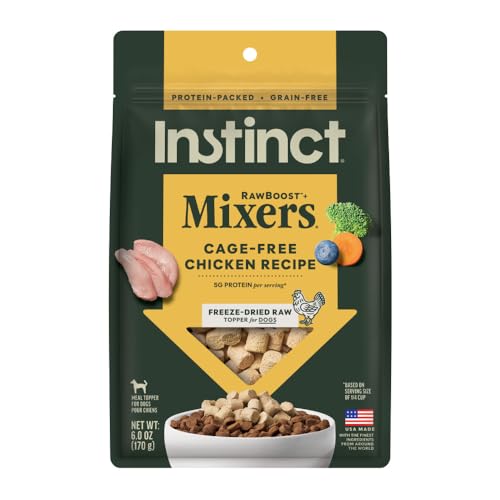
Our top pick is Stella & Chewy’s Freeze-Dried Raw Dinner Patties for its high-quality protein, balanced fat content, and small patty size perfect for tiny mouths. For dogs with sensitive stomachs, Primal Freeze-Dried Nuggets offers limited ingredients. Budget-conscious owners may prefer Nature’s Variety Instinct Raw Mix, which combines freeze-dried raw with kibble.
What to consider for Freeze Dried Dog Food For Dogs Under 20 Lbs
Small dogs have higher metabolic rates and smaller stomachs, so calorie density matters. Freeze-dried foods are nutrient-dense, meaning a little goes a long way. Look for recipes with moderate fat (12 to 18 percent) to prevent obesity, and ensure the kibble or patty size is small enough for easy chewing. Dogs under 20 lbs often need higher protein for lean muscle, but avoid excessive phosphorus if your dog has kidney issues. Also consider that freeze-dried food requires rehydration, which adds water weight and helps with hydration.
What to look for in a dog food
First, verify the food has an AAFCO statement confirming it is complete and balanced for the appropriate life stage (adult, puppy, or all life stages). The first ingredient should be a named meat source like chicken, beef, or salmon. Protein content should be around 30 to 40 percent on a dry matter basis, fat around 12 to 18 percent, and calories between 350 and 450 kcal per cup (or per serving). For small breeds, smaller kibble or patty size is helpful. Look for added omega-3 fatty acids (from fish oil or flaxseed) for skin and coat health, and glucosamine or chondroitin for joint support, especially in older small dogs.
How we chose these picks
- Evaluated ingredient quality, focusing on named meat proteins and absence of artificial preservatives.
- Checked AAFCO nutritional adequacy statements for the correct life stage.
- Compared calorie density and fat content to suit small breed metabolism.
- Considered kibble or patty size for dogs under 20 lbs.
- Reviewed customer feedback for palatability and digestive tolerance.
- Assessed brand reputation and manufacturing standards.
- Included a range of price points to accommodate different budgets.
- Never ranked a product higher just because it pays a commission.
What to avoid
- Foods with an unnamed “meat meal” as the sole protein source; always look for named meats.
- Defaulting to grain-free or legume-heavy recipes without veterinary advice, due to the ongoing FDA investigation into a potential link with canine dilated cardiomyopathy (DCM).
- All-life-stages formulas for large-breed puppies, but for small breeds under 20 lbs, all-life-stages can be acceptable if calorie and nutrient levels are appropriate.
- Abrupt diet switches; transition over 7 to 10 days by mixing increasing amounts of new food with old.
For more guidance, visit our dog guides, dog food, and dog nutrition pages.