Quick answer
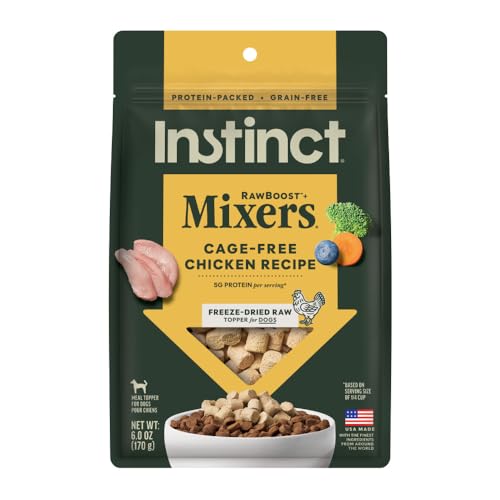
Our top pick for best freeze dried dog food for joint support is Stella & Chewy’s Freeze-Dried Raw Dinner Patties because it combines high-quality animal protein with added glucosamine and chondroitin, plus omega-3 fatty acids from salmon oil. For dogs with sensitive stomachs, the Primal Freeze-Dried Nuggets offer a limited ingredient diet with similar joint support. If you’re on a budget, Nature’s Variety Instinct Raw Mix provides a balanced option with joint-friendly ingredients at a lower cost.
What to consider for Freeze Dried Dog Food For Joint Support
When selecting a freeze-dried dog food for joint support, look for products that include glucosamine and chondroitin, which are natural components of cartilage. Omega-3 fatty acids from fish oil or flaxseed help reduce inflammation. Also consider the protein source: novel proteins like venison or duck can be beneficial for dogs with food sensitivities. Ensure the food is complete and balanced for your dog’s life stage, and check the calorie density to maintain a healthy weight, as excess weight stresses joints.
What to look for in a dog food
Look for a statement from AAFCO that the food is complete and balanced for your dog’s life stage (adult maintenance, growth, or all life stages). The first ingredient should be a named meat, such as beef, chicken, or salmon. Protein levels should be moderate to high (around 30-40% on a dry matter basis), with fat around 15-25% and controlled calories to prevent obesity. For joint support, added glucosamine, chondroitin, and omega-3s are key. If you have a large breed, ensure calcium and phosphorus levels are appropriate for bone health. Smaller breeds may benefit from smaller kibble or nugget size.
How we chose these picks
- Evaluated ingredient lists for named meat sources and absence of unnamed meals.
- Checked for added glucosamine, chondroitin, and omega-3 fatty acids (EPA/DHA).
- Verified AAFCO nutritional adequacy statements for appropriate life stages.
- Considered calorie density and fat content to support healthy weight.
- Reviewed customer feedback on palatability and digestive tolerance.
- Prioritized brands with strong quality control and recall history.
- Never ranked a product higher just because it pays a commission.
What to avoid
- Avoid foods with an unnamed “meat meal” as the primary protein source; choose named meats like “chicken meal” or “salmon meal”.
- Be cautious with grain-free or legume-heavy recipes due to the ongoing FDA investigation into a potential link with canine dilated cardiomyopathy (DCM). Grain-inclusive diets are generally safer unless your vet advises otherwise.
- Do not feed an “all life stages” food to a large-breed puppy, as it may have inappropriate calcium levels for growth.
- Avoid abrupt diet switches; transition over 7-10 days to prevent digestive upset.
For more information, explore our dog guides, dog food, and dog health resources.