Quick answer
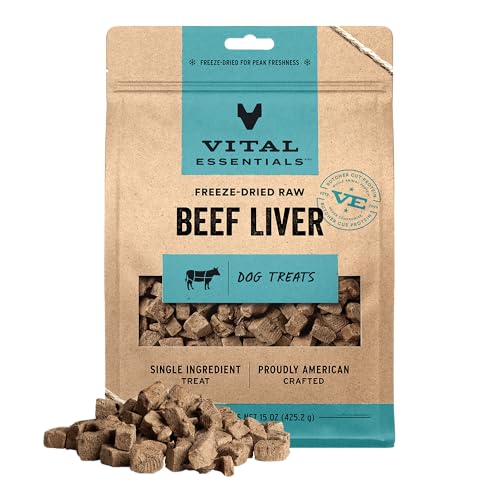
Our top pick is the Stella & Chewy’s Freeze Dried Raw Dinner Patties Wild Red for its high-quality protein, added glucosamine for joints, and balanced fat content suitable for less active seniors. For a more budget-friendly option, consider Primal Freeze Dried Nuggets Lamb; for sensitive stomachs, Vital Essentials Freeze Dried Minced offers limited ingredients. Each pick supports large breed seniors with proper calcium-to-phosphorus ratios and digestible ingredients.
What to consider for Freeze Dried Dog Food For Senior Large Dogs
Senior large dogs (typically over 50 pounds and 7 years or older) have unique needs: they often require lower calories to prevent obesity, higher-quality protein to maintain muscle mass, and added joint supplements like glucosamine and chondroitin. Freeze dried foods retain nutrients and are minimally processed, but they can be calorie-dense, so portion control is critical. Also, large breeds need a balanced calcium-phosphorus ratio to support bone health. Always transition slowly over 7 to 10 days to avoid digestive upset.
What to look for in a dog food
Look for an AAFCO statement indicating the food is complete and balanced for adult maintenance or senior life stage. The first ingredient should be a named meat (e.g., beef, chicken, lamb). Protein content should be around 25 to 35% on a dry matter basis, fat around 10 to 15% for seniors to avoid weight gain, and fiber around 3 to 5% to aid digestion. For large breeds, ensure the calcium level is between 0.8% and 1.2% dry matter. Added glucosamine and omega-3 fatty acids (from fish oil or flaxseed) support joints and coat health. Avoid excessive phosphorus to protect aging kidneys.
How we chose these picks
- Evaluated ingredient quality, focusing on named meat proteins and absence of artificial additives.
- Checked that each product is AAFCO complete and balanced for adult or all life stages.
- Prioritized recipes with added joint-supporting nutrients like glucosamine and chondroitin.
- Considered calorie density to help manage weight in less active seniors.
- Reviewed calcium and phosphorus levels for large breed safety.
- Selected a range of protein sources and price points to suit different preferences.
- Ensured products are widely available and from reputable brands with good safety records.
- Never ranked a product higher just because it pays a commission.
What to avoid
- Unnamed meat meals as the sole protein source (e.g., “meat meal” without species).
- Defaulting to grain-free or legume-heavy recipes; the FDA DCM investigation is ongoing, so grain-inclusive is the safer default unless a vet advises otherwise.
- All-life-stages food for a large-breed puppy (not relevant here, but avoid for seniors as well if not appropriate).
- Abrupt diet switches; always transition over 7 to 10 days.
For more guidance, explore our dog guides, dog food, and dog nutrition resources.