Quick answer
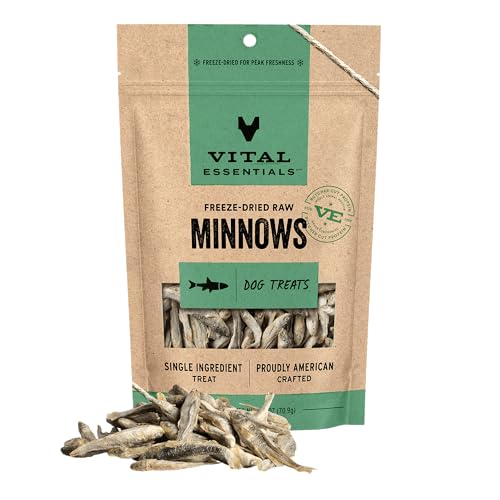
Our top pick for best freeze dried dog food without chicken is Stella & Chewy’s Absolutely Rabbit Dinner Patties. It features rabbit as a single novel protein, is grain-free, and packed with probiotics. For a budget-friendly option, consider Primal Freeze-Dried Nuggets Lamb Formula. If your dog has a sensitive stomach, Vital Essentials Freeze-Dried Minnows offers a limited ingredient, single-protein treat or meal topper.
What to consider for Freeze Dried Dog Food Without Chicken
When choosing a chicken-free freeze dried dog food, the primary consideration is the protein source. Look for a named meat like beef, lamb, rabbit, or fish as the first ingredient. Ensure the recipe is labeled as a complete and balanced diet for your dog’s life stage, not just a topper. Check the fat content, especially for dogs prone to pancreatitis or obesity. Also, consider the texture and rehydration process: some dogs prefer nuggets that soften quickly, while others like crunchy patties. Finally, verify that the food is manufactured in a facility that avoids cross-contamination with chicken if your dog has a severe allergy.
What to look for in a dog food
Look for an AAFCO statement confirming the food is complete and balanced for your dog’s life stage (adult, puppy, or all life stages). The first ingredient should be a named meat or meat meal (e.g., lamb, beef, rabbit) rather than a generic “meat meal.” Protein content should typically range from 30 to 45% on a dry matter basis, fat from 15 to 25%, and calories around 350 to 500 kcal per cup. For large breed puppies, ensure calcium levels are appropriate for controlled growth. Omega-3 fatty acids from fish oil or flaxseed support skin and coat health. If your dog has joint issues, look for added glucosamine and chondroitin. Avoid foods with artificial preservatives, colors, or flavors.
How we chose these picks
- Evaluated ingredient lists for named, single-source proteins without chicken or chicken by-products.
- Verified that each product meets AAFCO nutrient profiles for the intended life stage.
- Considered brand reputation, manufacturing quality, and recall history.
- Checked for inclusion of probiotics, omega fatty acids, and other beneficial nutrients.
- Reviewed customer feedback for palatability and digestive tolerance in dogs with sensitivities.
- Compared price per pound to ensure value across different budgets.
- Selected a variety of protein sources (rabbit, lamb, beef, fish) to accommodate different preferences and allergies.
- Never ranked a product higher just because it pays a commission.
What to avoid
- Avoid foods with an unnamed “meat meal” as the primary protein source, as it could include chicken.
- Be cautious with grain-free recipes unless your vet recommends them, as the FDA continues to investigate a potential link between grain-free diets and canine dilated cardiomyopathy (DCM).
- Do not choose an “all life stages” food for a large breed puppy, as it may not have the precise calcium-to-phosphorus ratio needed for proper bone development.
- Avoid abruptly switching your dog’s diet; transition over 7 to 10 days by gradually mixing the new food with the old.
For more guidance, explore our dog guides, dog food, and dog nutrition resources.