Quick answer
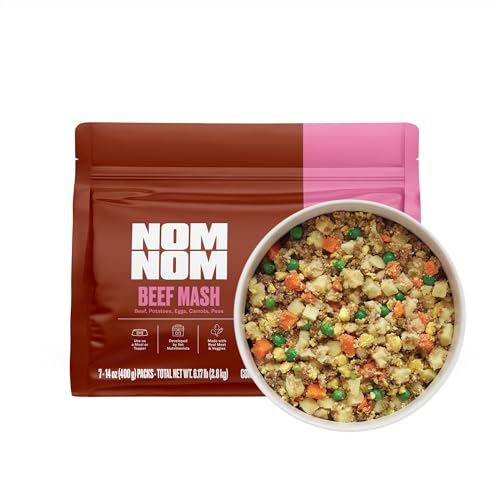
Our top pick for active dogs is The Farmer’s Dog Turkey Recipe, offering high protein from real turkey and balanced fats for sustained energy. For dogs with sensitive stomachs, Nom Nom’s Beef Mash provides limited ingredients and easy digestion. Budget-conscious owners should consider Ollie’s Fresh Chicken Recipe, which delivers quality at a lower price point.
What to consider for Fresh Dog Food For Active Dogs
Active dogs burn more calories and require higher protein and fat levels to maintain muscle mass and energy. Fresh dog food often contains fewer fillers and more digestible ingredients, which can improve nutrient absorption. However, fresh food has a shorter shelf life and requires refrigeration. It’s also more expensive than kibble. Consider your dog’s activity level, age, and any health conditions when choosing a fresh food. Always transition gradually over 7 to 10 days to avoid digestive upset.
What to look for in a dog food
Look for an AAFCO complete and balanced statement for the appropriate life stage (adult maintenance or all life stages). The first ingredient should be a named meat source like chicken, beef, or turkey. For active dogs, aim for protein around 30 to 40% on a dry matter basis and fat around 15 to 25%. Calorie density should be higher, around 400 to 500 kcal per cup. For large breeds, ensure calcium and phosphorus levels are appropriate for bone health. Joint support ingredients like glucosamine and omega-3 fatty acids from fish oil can benefit active dogs.
How we chose these picks
- Evaluated ingredient quality and sourcing transparency
- Checked AAFCO nutritional adequacy statements
- Compared protein, fat, and calorie content suitable for active dogs
- Reviewed customer feedback on palatability and digestive tolerance
- Considered price per serving and subscription flexibility
- Prioritized brands with veterinary nutritionists on staff
- Assessed freshness and delivery reliability
- Never ranked a product higher just because it pays a commission
What to avoid
- Avoid foods with unnamed “meat meal” as the only protein source; look for named meats like chicken meal or salmon meal.
- Be cautious with grain-free or legume-heavy recipes due to the ongoing FDA investigation into a potential link with canine dilated cardiomyopathy (DCM). Grain-inclusive diets are generally safer unless your vet advises otherwise.
- Do not feed an “all life stages” food to a large-breed puppy, as it may have improper calcium levels for controlled growth.
- Avoid abrupt diet switches; always transition gradually over 7 to 10 days to prevent digestive upset.
For more guidance, explore our dog guides and check out our dog food and dog nutrition resources.