Quick answer
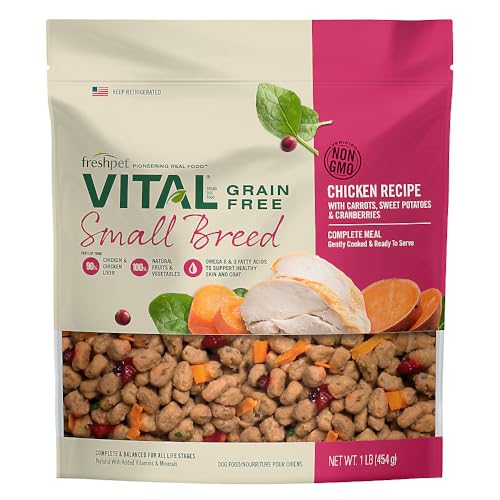
The best fresh dog food for pancreatitis-prone dogs is the Freshpet Vital Grain-Free Chicken Recipe for its low fat content (around 5%) and high digestibility. For dogs needing even lower fat, Nom Nom Turkey Fare is a close runner-up with a controlled fat profile. Always transition slowly and consult your veterinarian before changing diets.
What to consider for Fresh Dog Food For Pancreatitis Prone Dogs
Pancreatitis in dogs requires a diet that is low in fat, moderate in protein, and highly digestible to avoid triggering flare-ups. Fresh dog foods often have higher moisture content, which can aid hydration and digestion, but they vary widely in fat levels. Look for recipes with less than 10% fat on a dry matter basis, and avoid those with added oils or fatty meats. Also consider the calorie density to maintain a healthy weight, as obesity is a risk factor for pancreatitis. Always check with your vet for specific dietary needs based on your dog’s condition.
What to look for in a dog food
When choosing a fresh dog food for pancreatitis-prone dogs, ensure the recipe is AAFCO complete and balanced for your dog’s life stage (adult or all life stages). The first ingredient should be a named meat like chicken or turkey, not a by-product. Look for moderate protein (20-30% dry matter) and low fat (under 10% dry matter, ideally 5-8%). Calorie content should be moderate to prevent weight gain. For large breeds, ensure the food supports joint health with omega-3s. Avoid recipes with excessive legumes or grain-free formulas unless recommended by your vet due to the ongoing FDA investigation into a potential link with canine dilated cardiomyopathy (DCM).
How we chose these picks
- Evaluated fat content as the primary criterion, selecting foods with less than 10% fat on a dry matter basis.
- Checked for AAFCO nutritional adequacy statements for the appropriate life stage.
- Prioritized named protein sources and limited ingredient lists to minimize triggers.
- Considered customer reviews for palatability and digestive tolerance in sensitive dogs.
- Included a range of price points to suit different budgets.
- Ensured all picks are commercially available fresh or refrigerated dog foods.
- Consulted veterinary nutrition guidelines for pancreatitis management.
- Never ranked a product higher just because it pays a commission.
What to avoid
- Avoid foods with unnamed “meat meal” as the primary protein source, as quality and fat content can vary.
- Do not default to grain-free or legume-heavy recipes unless your vet specifically recommends it, due to the FDA’s ongoing investigation into a potential link with canine DCM.
- Avoid all-life-stages foods for large-breed puppies, as they may have inappropriate calcium and phosphorus levels.
- Never switch diets abruptly; transition over 7-10 days to avoid digestive upset and potential pancreatitis flare-ups.
For more guidance, check out our dog guides, dog food, and dog health resources.


