Quick answer
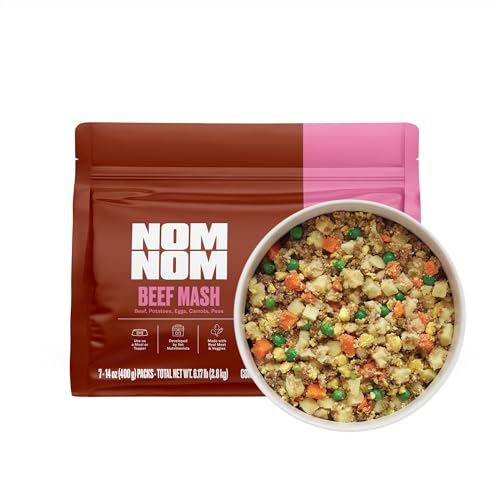
For picky eaters, our top pick is The Farmer’s Dog, which uses human-grade ingredients and offers customized meal plans that most dogs find irresistible. If your dog has a sensitive stomach, Nom Nom’s gently cooked recipes are an excellent runner-up. For a budget-friendly option, Spot & Tango’s UnKibble provides a fresh-like texture at a lower price point.
What to consider for Fresh Dog Food For Picky Eaters
Picky eaters often refuse food due to texture, smell, or flavor fatigue. Fresh dog food, with its moist texture and natural aroma, can be more appealing than dry kibble. However, not all fresh foods are created equal. Consider your dog’s specific preferences: some dogs prefer chunkier stews, while others like pâté-style meals. Also, check for limited ingredient recipes if your dog has food sensitivities. Rotation of proteins may help maintain interest, but ensure each recipe is complete and balanced.
What to look for in a dog food
Look for a statement that the food is formulated to meet AAFCO nutrient profiles for your dog’s life stage (adult maintenance, growth, or all life stages). The first ingredient should be a named meat source like chicken, beef, or fish. Protein content should be around 25 to 30% on a dry matter basis for adult dogs, with fat around 12 to 16%. Calorie density typically ranges from 350 to 450 kcal per cup (or equivalent). For large breeds, ensure appropriate calcium and phosphorus levels. Omega-3 fatty acids from fish oil or flaxseed support skin and coat health. Avoid foods with artificial preservatives, colors, or flavors.
How we chose these picks
- Evaluated ingredient quality and sourcing transparency
- Checked for AAFCO nutritional adequacy statements
- Considered palatability and texture variety for picky eaters
- Reviewed customer feedback and brand reputation
- Assessed value for price per serving
- Consulted veterinary nutrition guidelines
- Ensured each product is currently available on Amazon
- Never ranked a product higher just because it pays a commission
What to avoid
- Unnamed meat meals (e.g., “meat meal”) as the primary protein source
- Grain-free or legume-heavy diets unless recommended by a veterinarian, due to the FDA’s ongoing investigation into a potential link with canine dilated cardiomyopathy (DCM)
- All-life-stages formulas for large-breed puppies, as they may not have the optimal calcium and phosphorus balance
- Abrupt diet switches; transition gradually over 7 to 10 days to avoid digestive upset
For more guidance, visit our dog guides, dog food, and dog nutrition pages.