Quick answer
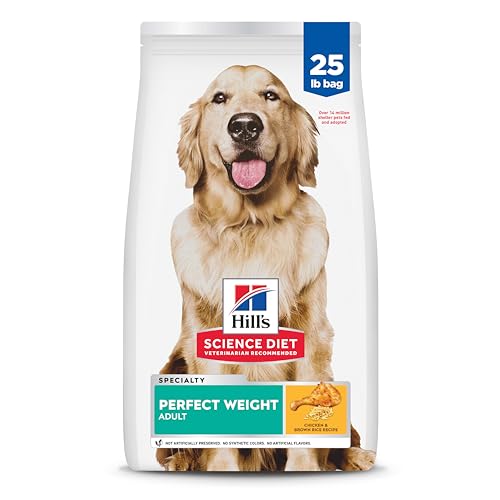
The best grain inclusive dog food for dogs with thin coats is Purina Pro Plan Sensitive Skin & Stomach Salmon & Rice Formula. Its high omega-6 fatty acids and vitamin E support skin health and coat thickness. For a budget-friendly option, Diamond Naturals Skin & Coat Formula is excellent. If your dog needs joint support alongside coat care, consider Hill’s Science Diet Adult Perfect Weight, which also provides balanced nutrition for weight management.
What to consider for Grain Inclusive Dog Food For Dogs With Thin Coats
Dogs with thin coats often have less insulation and may be prone to dry skin, flakiness, or increased shedding. Their skin barrier can be more sensitive, requiring nutrients like omega-3 and omega-6 fatty acids, zinc, and vitamin E. Grain-inclusive formulas provide carbohydrates for energy and fiber, but the quality of grains matters: whole grains like brown rice, oatmeal, or barley are preferable to fillers. Protein from named animal sources (chicken, salmon, lamb) supports hair growth, while avoiding common allergens can help if your dog has sensitivities. Calorie density should match your dog’s activity level to maintain a healthy weight, as thin coats can make dogs feel colder.
What to look for in a dog food
Look for an AAFCO statement confirming the food is complete and balanced for your dog’s life stage (adult maintenance, growth, or all life stages). The first ingredient should be a named meat or meat meal (e.g., chicken, salmon, lamb meal). Protein content should be between 22% and 32% for most adult dogs, with fat around 12% to 18% to support skin and coat health. Omega-6 fatty acids should be at least 2.5%, and omega-3s at least 0.3% (or as listed). For large breeds, ensure calcium and phosphorus levels are appropriate (around 1.0% to 1.5% calcium). Consider added glucosamine and chondroitin if your dog has joint concerns. Avoid foods with artificial colors, flavors, or preservatives.
How we chose these picks
- We evaluated formulas with named animal protein as the first ingredient.
- We prioritized products with guaranteed omega fatty acid levels for skin and coat.
- We checked that each recipe is grain-inclusive (contains grains like rice, oats, or barley).
- We verified AAFCO nutritional adequacy statements for the appropriate life stage.
- We considered brand reputation, ingredient sourcing, and manufacturing quality standards.
- We looked at calorie density and nutrient profiles suitable for dogs with thin coats.
- We read customer feedback on coat condition improvements but did not rely solely on anecdotes.
- Never ranked a product higher just because it pays a commission.
What to avoid
- Unnamed “meat meal” or “animal fat” as the only protein source; always look for named ingredients.
- Defaulting to grain-free or legume-heavy recipes: the FDA investigation into a potential link between grain-free diets and canine dilated cardiomyopathy (DCM) is ongoing. Grain-inclusive formulas are a safer choice unless your vet advises otherwise.
- All-life-stages food for a large-breed puppy, as it may have improper calcium levels for growth.
- Abrupt diet switches: transition over 7 to 10 days by mixing old and new food to avoid digestive upset.
Explore more: dog guides, dog food, dog health.