Quick answer
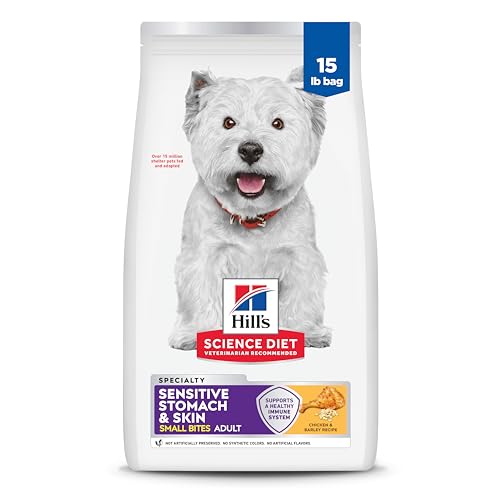
Our top pick is Royal Canin Puppy Digestive Care canned and dry formulas, designed specifically for puppies with sensitive digestion. For a budget-friendly option, Purina Pro Plan Puppy Sensitive Skin & Stomach offers quality ingredients at a lower price. If you prefer a limited ingredient diet, Hill’s Science Diet Puppy Sensitive Stomach & Skin is a strong contender.
What to consider for Grain Inclusive Dog Food For Puppies With Sensitive Stomachs
Puppies with sensitive stomachs need a diet that is easily digestible and gentle on their developing digestive systems. Grain-inclusive recipes provide carbohydrates from sources like rice or oatmeal, which are often easier to digest than legumes or high-fiber ingredients. Look for a single animal protein source to reduce the risk of food sensitivities, and avoid artificial additives. Probiotics and prebiotic fibers can support gut health. It is also important to choose a formula that meets AAFCO nutrient profiles for growth, and to transition food gradually over 7 to 10 days.
What to look for in a dog food
Look for an AAFCO statement confirming the food is complete and balanced for growth or all life stages. The first ingredient should be a named meat source like chicken, lamb, or salmon. Protein levels should be around 22 to 32 percent on a dry matter basis, fat around 8 to 20 percent, and calories between 300 and 450 kcal per cup, but these are general ranges; consult your vet for your puppy’s specific needs. For large breed puppies, ensure the food meets large breed guidelines for controlled calcium and phosphorus. Omega-3 fatty acids from fish oil or flaxseed support skin and coat health, and joint supplements like glucosamine can benefit growing large breeds.
How we chose these picks
- We evaluated ingredient lists for named animal proteins and digestible carbohydrates like rice or oatmeal.
- We prioritized formulas with added probiotics or prebiotic fibers to support digestive health.
- We checked that each product meets AAFCO nutrient profiles for growth.
- We considered brand reputation and history of quality control, including recalls.
- We compared price per pound to ensure value for the ingredient quality.
- We read customer reviews focusing on palatability and digestive tolerance in puppies.
- We consulted veterinary nutrition guidelines for sensitive stomachs.
- Never ranked a product higher just because it pays a commission.
What to avoid
- Avoid foods with unnamed meat meals (e.g., “meat meal”) as the primary protein source.
- Do not default to grain-free or legume-heavy recipes for a puppy with a sensitive stomach; the FDA continues to investigate a potential link between these diets and canine DCM. Grain-inclusive is the safer default unless your vet advises otherwise.
- Skip all-life-stages foods for large-breed puppies, as they may not have the correct calcium to phosphorus ratio.
- Avoid abrupt diet changes; always transition over at least 7 days to prevent digestive upset.
For more guidance, visit our dog guides, dog food, and dog health sections.