Quick answer
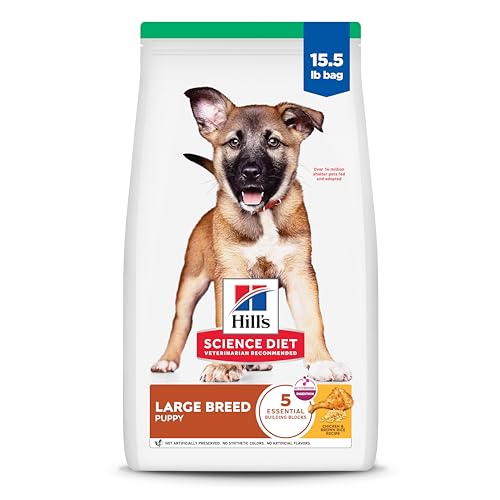
For most rescue dogs, our top pick is Purina Pro Plan Sensitive Skin & Stomach Salmon & Rice Formula. Its single animal protein and easily digestible carbohydrates help settle upset stomachs common in newly adopted dogs. If your rescue is a large breed puppy, consider Hill’s Science Diet Large Breed Puppy. For a budget-friendly option, Diamond Naturals Lamb Meal & Rice Formula delivers solid nutrition without breaking the bank.
What to consider for Grain Inclusive Dog Food For Rescue Dogs
Rescue dogs may have endured stress, inconsistent feeding, or poor-quality diets. A grain-inclusive formula provides digestible energy from sources like rice, oats, or barley, which are less likely to cause gastrointestinal upset than high-legume or grain-free options. Look for a named meat as the first ingredient to ensure high-quality protein. Many rescue dogs also benefit from added probiotics, omega-3 fatty acids from fish oil, and moderate fat content (around 12 to 18 percent) to support a healthy weight without overloading calories. Always transition food slowly over 7 to 10 days by mixing increasing amounts of the new food with the old.
What to look for in a dog food
Choose a product with an AAFCO statement confirming it is complete and balanced for the appropriate life stage (puppy, adult, or all life stages). The first ingredient should be a named meat such as chicken, lamb, or salmon. Protein content typically ranges from 22 to 32 percent for adult dogs; fat should be between 10 and 20 percent, with calories around 300 to 400 per cup. For large breed puppies, ensure calcium levels are within AAFCO guidelines (1.0 to 1.8 percent) to support proper bone development. Added glucosamine and chondroitin can aid joint health, common in older or active rescue dogs. Omega-3 fatty acids from fish oil or flaxseed promote skin and coat health.
How we chose these picks
- Evaluated ingredient quality and nutritional adequacy (AAFCO statements).
- Focused on grain-inclusive formulas with named meat as the first ingredient.
- Considered digestibility and inclusion of probiotics or prebiotic fiber.
- Compared price per pound to ensure value across different budgets.
- Checked for suitability across various life stages and breed sizes.
- Reviewed customer feedback for palatability and digestive tolerance.
- Consulted veterinary nutrition guidelines from WSAVA and AAFCO.
- Never ranked a product higher just because it pays a commission.
What to avoid
- Avoid foods where the only protein source is an unnamed “meat meal” – look for named meals like chicken meal or salmon meal for transparency.
- Default to grain-inclusive formulas; grain-free or legume-heavy recipes may be linked to an increased risk of canine dilated cardiomyopathy (DCM) according to an ongoing FDA investigation. Only switch to grain-free under veterinary advice.
- Do not feed an “all life stages” food to a large breed puppy unless it meets the specific calcium and phosphorus levels for large breed growth. Large breed puppy formulas are safer.
- Always transition rescue dogs to a new food gradually over 7 to 10 days to avoid digestive upset. Abrupt changes can cause vomiting or diarrhea.
For more expert guidance, visit our dog guides and explore dog food, dog nutrition resources.