Quick answer
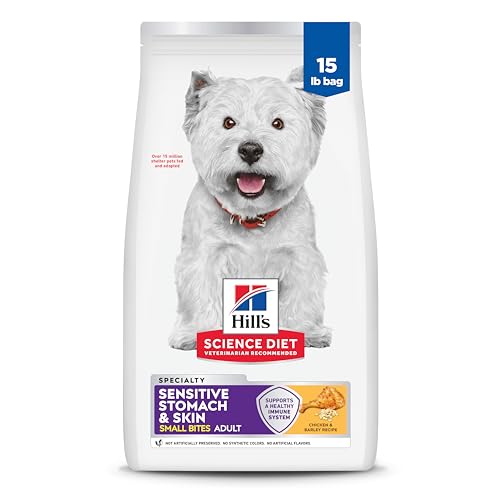
The best overall grain inclusive dog food for sensitive stomachs is Purina Pro Plan Sensitive Skin & Stomach Salmon & Rice Formula. It combines high-quality salmon with easily digestible rice, plus probiotics for digestive health. For budget-conscious owners, Diamond Naturals Real Meat Recipe offers similar benefits at a lower price. Puppies with sensitive stomachs may prefer Hill’s Science Diet Puppy Sensitive Stomach & Skin.
What to consider for Grain Inclusive Dog Food For Sensitive Stomachs
Dogs with sensitive stomachs often have trouble digesting high-fat or overly rich foods. Grain inclusive diets provide carbohydrates from sources like rice, oats, or barley, which are gentle on the digestive system. Look for limited ingredient formulas with a single protein source and easily digestible grains. Avoid artificial additives, excessive fiber, and high-fat content. Probiotics and prebiotics can help support gut health. Always transition slowly over 7 to 10 days to avoid upset.
What to look for in a dog food
Choose a food that states it is complete and balanced for your dog’s life stage (puppy, adult, or senior) according to AAFCO. The first ingredient should be a named meat, such as chicken, salmon, or lamb. Look for moderate protein (20 to 30% dry matter) and fat (10 to 15% dry matter) levels; too much fat can trigger digestive upset. For large breeds, ensure calcium and phosphorus levels support bone health. Omega-3 fatty acids from fish oil can reduce inflammation and support skin and coat. Joint support from glucosamine and chondroitin is a plus for older dogs.
How we chose these picks
- Selected only grain inclusive formulas with named meat as the first ingredient.
- Prioritized products with limited ingredients and easily digestible carbohydrates like rice or oatmeal.
- Checked for added probiotics or prebiotics to support digestive health.
- Ensured all picks meet AAFCO nutrient profiles for the intended life stage.
- Considered price per pound to offer options for different budgets.
- Reviewed customer feedback for palatability and digestive tolerance in sensitive dogs.
- Evaluated brand reputation and history of quality control.
- Never ranked a product higher just because it pays a commission.
What to avoid
- Unnamed “meat meal” as the only protein source; it can be harder to digest and less consistent.
- Grain-free or legume-heavy recipes unless specifically recommended by your vet, due to the ongoing FDA investigation into a potential link with canine dilated cardiomyopathy (DCM). Grain inclusive is the safer default.
- All-life-stages food for a large breed puppy; it may have inappropriate calcium levels.
- Abrupt diet switches; always transition gradually over 7 to 10 days.
For more guidance, visit our dog guides and explore dog food or dog health articles.