Quick answer
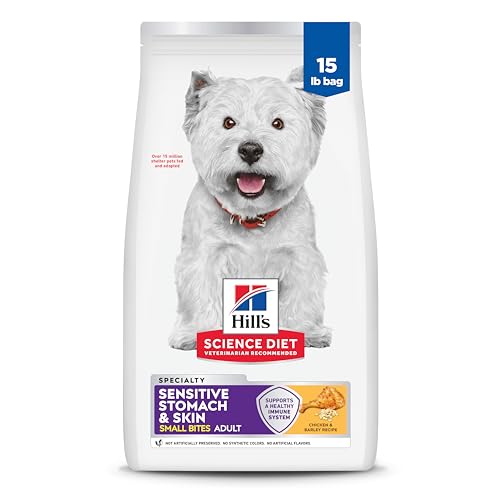
The best grain inclusive dog food without legumes overall is Purina Pro Plan Sensitive Skin & Stomach Salmon & Rice Formula. It combines easily digestible salmon with rice and oat meal, avoiding legumes entirely, and is backed by AAFCO standards. For a budget-friendly option, Diamond Naturals Lamb Meal & Rice Formula offers quality ingredients without legumes. If your dog has a sensitive stomach, Hill’s Science Diet Sensitive Stomach & Skin Chicken & Barley Recipe is a veterinarian-recommended choice.
What to consider for Grain Inclusive Dog Food Without Legumes
Choosing a grain inclusive dog food without legumes means focusing on digestible carbohydrates like rice, barley, and oats instead of peas, lentils, or chickpeas. This is particularly important for dogs with legume sensitivities or for owners who want to avoid the potential link between legume-heavy diets and canine dilated cardiomyopathy (DCM). Look for a named meat or meat meal as the first ingredient, appropriate protein and fat levels for your dog’s life stage, and AAFCO nutritional adequacy statement. Also consider your dog’s size, activity level, and any specific health needs such as joint support or weight management.
What to look for in a dog food
First, ensure the food has an AAFCO statement confirming it is complete and balanced for your dog’s life stage (puppy, adult, or senior). The first ingredient should be a named meat or meat meal, such as chicken, lamb, or salmon. Protein content typically ranges from 22 to 32 percent for adult dogs, while fat ranges from 10 to 18 percent. Calorie density should match your dog’s activity level; for example, active dogs may need 350 to 450 kcal per cup. For large breeds, look for controlled calcium and phosphorus levels to support bone health. Joint support from glucosamine and chondroitin, as well as omega-3 fatty acids for skin and coat health, are beneficial additions.
How we chose these picks
- Verified that each product lists a named meat or meat meal as the first ingredient.
- Confirmed the food is grain inclusive (contains grains like rice, barley, or oats) and explicitly does not contain legumes (peas, lentils, chickpeas, beans).
- Checked that the food meets AAFCO nutritional standards for the intended life stage.
- Reviewed ingredient lists for artificial colors, flavors, or preservatives; preferred natural options.
- Considered brand reputation, manufacturing standards, and history of recalls.
- Ensured each pick offers variety in life stage, size suitability, or budget.
- Consulted publicly available product information and established nutritional guidelines.
- Never ranked a product higher just because it pays a commission.
What to avoid
- Avoid foods with an unnamed “meat meal” as the only protein source; always look for named meals like chicken meal or lamb meal.
- Do not default to grain-free or legume-heavy recipes without veterinary guidance, as the FDA continues to investigate a potential link between these diets and canine DCM. Grain inclusive is the safer default unless a vet advises otherwise.
- Steer clear of all-life-stages formulas for large-breed puppies; they need specific nutrient balances for controlled growth.
- Avoid abrupt diet switches; transition gradually over 7 to 10 days to minimize digestive upset.
For more guidance, explore our dog guides and dog food or dog nutrition resources.