Quick answer
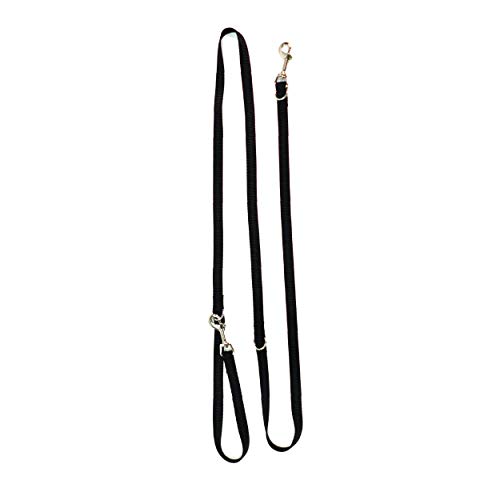
Our top pick is the Ruffwear Roamer Leash for its robust construction and chew-resistant materials. It combines a strong bungee section with a durable webbing handle, ideal for dogs that like to mouth the leash. For budget-conscious owners, the Kurgo Quantum Leash offers multiple configurations and a sturdy build at a lower price.
What to consider for Hands Free Dog Leash For Dogs That Chew
When your dog chews the leash, you need materials that can withstand sharp teeth. Look for leashes made from heavy-duty nylon or climbing-grade rope with reinforced stitching. Avoid leashes with thin webbing or plastic components that can be easily punctured. The leash should also have a secure attachment to your belt or waist, as a chewed-through clip can lead to a loose dog. Additionally, consider a leash with a padded waist belt for comfort during long walks.
What to look for in a gear item (harness, collar, leash or muzzle)
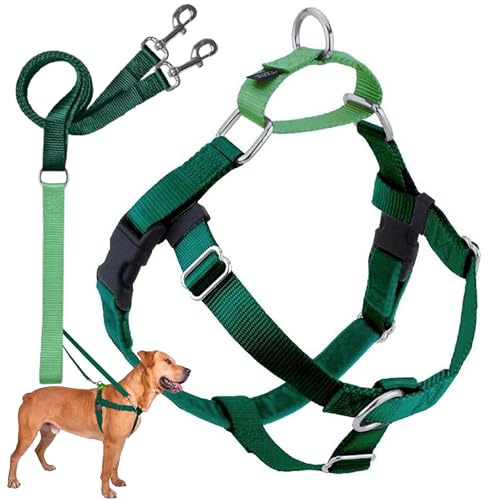
For a hands-free leash, correct fit and sizing are crucial: the waist belt should be adjustable and snug but not restrictive. Durable hardware and materials are non-negotiable; look for metal clips and reinforced stitching. Safety features include reflective stitching for visibility and a quick-release mechanism in case of emergency. Comfort and padding on the waist belt prevent chafing during extended use. A no-pull design, such as a front-clip harness attachment, can help discourage pulling without causing discomfort.
How we chose these picks
- Evaluated chew resistance based on material thickness and construction quality.
- Checked customer feedback for durability reports from owners of chewers.
- Assessed waist belt comfort and adjustability for different body sizes.
- Verified clip strength and security to prevent accidental release.
- Considered versatility: ability to convert to a standard leash or attach to a harness.
- Compared price points to offer options for various budgets.
- Never ranked a product higher just because it pays a commission.
What to avoid
- Ill-fitting sizes that cause the leash to slip or the dog to escape.
- Flimsy clips that can break under tension from a strong puller.
- Aversive tools like prong collars or choke chains without professional guidance.
- Retractable leashes near traffic, as they can break or cause injury.
For more guidance, see our dog guides, dog care products, and dog health sections.