Quick answer
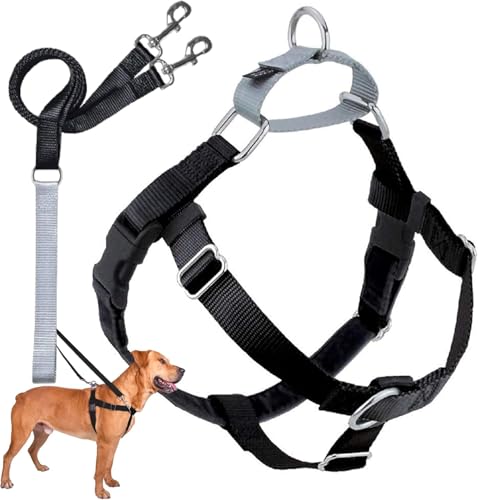
Our top pick is the Ruffwear Roamer Leash for its padded waist belt and bungee shock absorption, which reduces pulling impact on dogs with thin coats. For budget-conscious owners, the Rabbitgoo Hands Free Leash offers a similar design at a lower price. If you need a no-pull solution, the 2 Hounds Design Freedom No-Pull Harness and Leash combo is excellent, though it requires a harness.
What to consider for Hands Free Dog Leash For Dogs With Thin Coats
Dogs with thin coats, such as Greyhounds, Whippets, and Italian Greyhounds, have minimal padding between their skin and the leash or harness. This makes them prone to chafing, rubbing, and pressure sores. When choosing a hands free leash, prioritize padded waist belts, soft webbing, and bungee sections that absorb sudden tugs. Also consider the leash width: wider straps distribute pressure better. Avoid leashes with rough edges or hardware that can dig into your dog’s skin. For dogs with delicate tracheas, a harness attachment is safer than a collar.
What to look for in a gear item (harness, collar, leash or muzzle)
Correct fit and sizing: Measure your dog’s neck and chest according to the manufacturer’s guide. For thin-coated breeds, a harness with a padded chest plate and adjustable straps prevents rubbing. Durable hardware and materials: Look for rust-resistant clips and strong nylon or polyester webbing. Safety features: Reflective stitching or strips for low-light visibility, a secondary safety loop, and a quick-release buckle for emergencies. Comfort and padding: Neoprene or mesh padding on the harness and waist belt reduces chafing. No-pull design: A front clip harness can discourage pulling without causing discomfort.
How we chose these picks
- Evaluated product specifications for padding, webbing width, and bungee features.
- Checked customer reviews for comfort on thin-coated breeds.
- Assessed durability based on hardware materials and stitching quality.
- Considered safety features like reflective elements and breakaway options.
- Compared price points to offer options for different budgets.
- Focused on brands with a reputation for quality and customer support.
- Never ranked a product higher just because it pays a commission.
What to avoid
- Ill-fitting sizes that cause chafing or allow escape.
- Flimsy clips that can break under sudden tension.
- Aversive tools like prong collars or choke chains without professional guidance.
- Retractable leashes near traffic as they can cause injury and reduce control.
For more tips, visit our dog guides and check out dog care products or dog health resources.