Quick answer
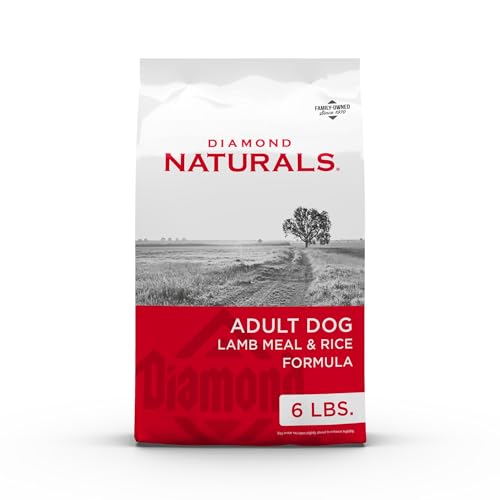
Our top pick for high protein dog food that helps reduce gas is Purina Pro Plan Sensitive Skin & Stomach Salmon & Rice Formula. It features real salmon as the first ingredient, is easily digestible, and includes prebiotic fiber to support gut health. For a budget-friendly option, consider Diamond Naturals Real Meat Recipe, while Hill’s Science Diet Sensitive Stomach & Skin is excellent for dogs with food sensitivities.
What to consider for High Protein Dog Food For Gas
Gas in dogs can be caused by poor-quality protein sources, high fiber content, or food intolerances. When choosing a high protein dog food to minimize gas, look for a single, high-quality animal protein (like chicken, salmon, or lamb) as the first ingredient. Avoid foods with excessive legumes or grains that can ferment and cause gas. The protein level should be moderate (around 25 to 30% on a dry matter basis) to reduce digestive load. Also consider added probiotics or prebiotics to support a healthy gut microbiome. Always transition food gradually over 7 to 10 days to allow your dog’s digestive system to adjust.
What to look for in a dog food
When selecting a dog food for gas, ensure it has an AAFCO statement confirming it is complete and balanced for your dog’s life stage (puppy, adult, or senior). Look for a named meat (e.g., chicken, salmon, lamb) as the first ingredient. Protein content should be in the range of 22 to 32% (dry matter) for most adult dogs; fat content around 12 to 18% is typical, but adjust based on activity level. Calorie density should match your dog’s needs (e.g., 300 to 400 kcal per cup). For large breeds, ensure calcium levels are appropriate for growth. Omega-3 fatty acids from fish oil can help reduce inflammation and improve skin and coat health. Avoid foods with artificial additives or excessive fillers.
How we chose these picks
- Analyzed ingredient lists for high-quality protein sources and digestibility.
- Checked for added probiotics, prebiotics, or fiber to support digestive health.
- Reviewed guaranteed analysis for protein, fat, and fiber levels appropriate for reducing gas.
- Considered brand reputation and commitment to quality control and safety.
- Evaluated price per pound to ensure value for the quality.
- Read customer reviews for real-world feedback on gas reduction and palatability.
- Consulted veterinary nutrition guidelines and AAFCO standards.
- Never ranked a product higher just because it pays a commission.
What to avoid
- Unnamed “meat meal” as the only protein source; it can be low quality and harder to digest.
- Defaulting to grain-free or legume-heavy recipes without veterinary advice, due to the ongoing FDA investigation into a potential link with canine dilated cardiomyopathy (DCM).
- All-life-stages food for a large-breed puppy, as it may have improper calcium levels.
- Abrupt diet switches; always transition over 7 to 10 days to prevent digestive upset and gas.
For more guidance, explore our dog guides, dog food, and dog health resources.