Quick answer
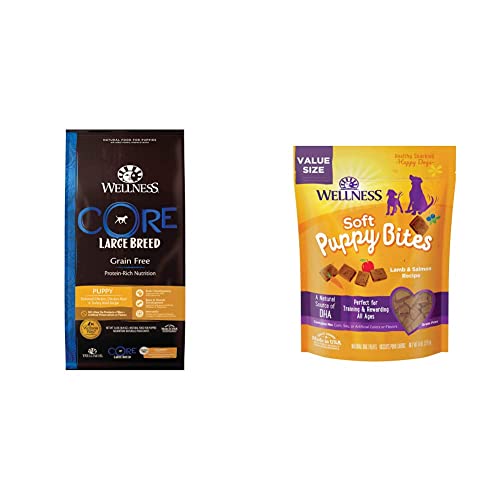
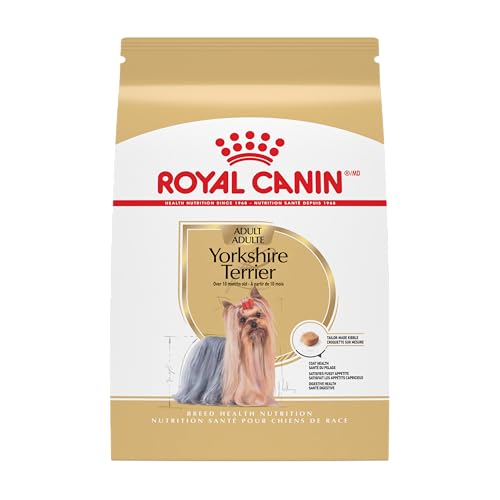
Our top pick is Royal Canin Breed Health Nutrition Boston Terrier Adult Dry Dog Food. It is tailored specifically for the breed’s brachycephalic jaw and sensitive digestion, with lamb as a key protein. For owners seeking a more affordable option, Purina Pro Plan Sensitive Skin & Stomach Lamb & Oatmeal Formula is excellent. If your Boston Terrier is a puppy, Wellness CORE Grain-Free Puppy Lamb & Salmon Recipe provides balanced nutrition for growth.
What to consider for Lamb Dog Food For Boston Terriers
Boston Terriers are brachycephalic (flat-faced) dogs, which can make eating difficult. Kibble shape and size matter: smaller, uniquely shaped kibble helps them pick up food easily. They also have sensitive stomachs and are prone to gas and allergies. Lamb is a novel protein that can help manage food sensitivities. Additionally, Boston Terriers are prone to obesity, so calorie control is important. Look for moderate fat content (12 to 18% on a dry matter basis) and avoid excessive fillers like corn or wheat. Joint support (glucosamine and chondroitin) is beneficial as the breed is prone to patellar luxation.
What to look for in a dog food
First, ensure the food meets AAFCO nutrient profiles for the appropriate life stage (adult maintenance or growth). The first ingredient should be a named meat source like lamb or lamb meal. Protein should be around 22 to 32% for adults, fat 12 to 18%, and calories around 300 to 400 kcal per cup. For Boston Terriers, smaller kibble size is helpful. Look for added omega-3 fatty acids (from fish oil or flaxseed) for skin and coat health. Glucosamine and chondroitin support joint health. Avoid foods with artificial colors, flavors, or preservatives.
How we chose these picks
- Evaluated ingredient lists for named meat sources and absence of by-products.
- Ensured all picks meet AAFCO nutrient profiles for the appropriate life stage.
- Considered kibble size and shape suitable for brachycephalic breeds.
- Focused on lamb as the primary protein to support food sensitivities.
- Checked for inclusion of omega fatty acids and joint support ingredients.
- Reviewed customer feedback for palatability and digestive tolerance in small breeds.
- Compared price per pound to offer options across budgets.
- Never ranked a product higher just because it pays a commission.
What to avoid
- Avoid foods with unnamed meat meals (e.g., “meat meal”) as the sole protein source; always look for named sources like lamb meal.
- Be cautious with grain-free diets unless advised by a veterinarian, as the FDA is investigating a potential link between grain-free, legume-heavy diets and canine DCM. Grain-inclusive is the safer default.
- Do not feed all-life-stages food to a Boston Terrier puppy unless it meets large-breed puppy guidelines (though Boston Terriers are small, they can still benefit from controlled calcium levels).
- Avoid abrupt diet changes; transition over 7 to 10 days by mixing old and new food.
For more dog food guides, visit dog guides, dog food, and dog nutrition.