Quick answer
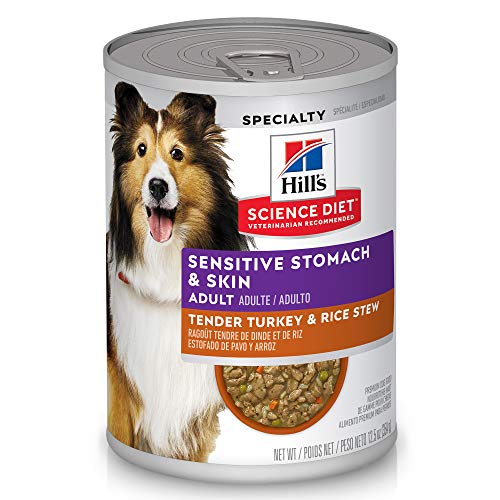
Our top pick is Purina Pro Plan Lamb & Rice because it combines a single animal protein with easily digestible rice, making it ideal for travel. It meets AAFCO standards for all life stages and is widely available in both dry and wet forms. For dogs with sensitive stomachs, Hill’s Science Diet Sensitive Stomach & Skin Lamb Meal & Rice is a close runner-up, offering prebiotic fiber and omega fatty acids.
What to consider for Lamb Dog Food For Travel In Cars
When choosing a lamb dog food for car travel, focus on digestibility and convenience. Lamb is a novel protein that often suits dogs with food sensitivities, which can flare up during travel stress. Look for recipes with limited ingredients and a single protein source to minimize the risk of upset. Dry kibble is practical for portioning and doesn’t require refrigeration, but wet food pouches can be easier for dogs that refuse to eat. Also consider the food’s calorie density: a lower-calorie option can prevent overfeeding during reduced activity on road trips. Finally, ensure the food is complete and balanced for your dog’s life stage to maintain nutrition while on the move.
What to look for in a dog food
First, verify the food has an AAFCO statement confirming it is complete and balanced for your dog’s life stage (adult maintenance, growth, or all life stages). Look for a named meat source, like lamb or lamb meal, as the first ingredient. Protein levels should be around 20 to 30 percent for most adult dogs, with fat around 10 to 20 percent. Calorie content typically ranges from 300 to 450 kcal per cup. For travel, a moderate calorie density helps maintain weight without overfeeding. If you have a large breed, ensure the food meets large breed puppy or adult guidelines for calcium and phosphorus. Joint support from glucosamine and chondroitin can benefit traveling dogs that jump in and out of cars. Omega-3 fatty acids from fish oil or flaxseed support skin and coat health, which may be stressed during travel.
How we chose these picks
- Evaluated ingredient lists for named lamb or lamb meal as the primary protein source.
- Checked for AAFCO nutritional adequacy statements appropriate for the intended life stage.
- Prioritized recipes with limited ingredients to reduce allergy risks during travel.
- Considered digestibility based on fiber sources like rice or oatmeal rather than legumes.
- Reviewed calorie density to suit dogs with reduced activity on road trips.
- Ensured products are widely available in both dry and wet formats for travel convenience.
- Compared price per pound to offer options for different budgets.
- Never ranked a product higher just because it pays a commission.
What to avoid
- Unnamed “meat meal” as the only protein source; it could be from any animal and may cause allergic reactions.
- Defaulting to grain-free or legume-heavy recipes; the FDA is investigating a potential link to canine DCM, so grain-inclusive is the safer default unless a veterinarian advises otherwise.
- All-life-stages food for a large-breed puppy; it may have improper calcium levels that affect bone development.
- Abrupt diet switches; always transition over 5 to 7 days by mixing old and new food to prevent digestive upset.
For more guidance, visit our dog guides and explore dog food and dog nutrition resources.