Quick answer
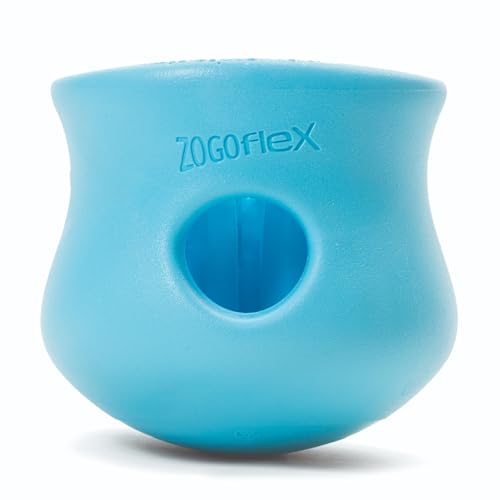
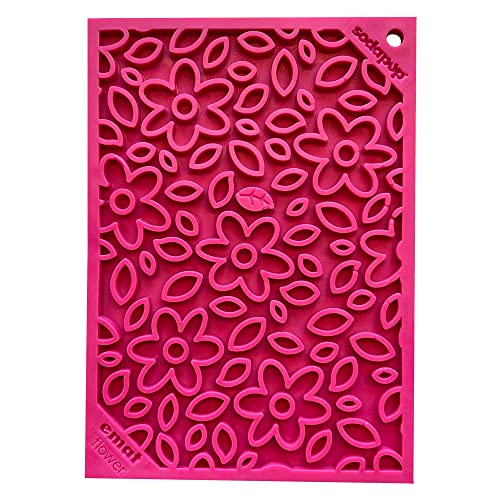
For most dogs, the KONG Lick Mat is our top pick because its suction base stays put and the textured surface holds spreadable treats well, promoting calm licking. If your dog is a heavy chewer, the West Paw Toppl offers more durability. For a budget-friendly option, the Outward Hound Lick Mat provides good value with multiple patterns.
What to consider for Lick Mat For Separation Anxiety
Separation anxiety in dogs can be managed with calming activities like licking. A lick mat should be sturdy enough to withstand repeated use, have a non-slip base to stay in place, and be easy to clean. The texture depth matters: deeper grooves hold more food and extend licking time. Consider your dog’s chewing habits; some lick mats are not indestructible and may be chewed. Always supervise initial use to ensure the mat isn’t destroyed and ingested.
What to look for in a toy or chew (chew toy, puzzle, lick mat or dental chew)
When selecting a lick mat for separation anxiety, prioritize size appropriate to your dog to prevent frustration or choking. Durability should match your dog’s chew strength; soft silicone mats may not suit aggressive chewers. Non-toxic, food-grade materials are essential. For dental chews, look for the VOHC seal to ensure effectiveness. Genuine enrichment value comes from mats that require effort to lick off food, providing mental stimulation.
How we chose these picks
- Evaluated product descriptions and customer reviews for durability claims.
- Considered material safety and non-toxic certifications.
- Assessed ease of cleaning and dishwasher safety.
- Compared suction strength and stability on various surfaces.
- Looked for variety in texture and groove depth to extend licking time.
- Checked for size options suitable for small to large breeds.
- Never ranked a product higher just because it pays a commission.
What to avoid
- Toys small enough to swallow or choke on; always size up for safety.
- Hard chews that can crack teeth; avoid bones, antlers, and hard nylon.
- Falling-apart toys that shed pieces; inspect regularly for wear.
- Leaving a heavy chewer unsupervised with any toy; always monitor first sessions.
Explore more dog guides and check out our dog care products and dog health sections.