Quick answer
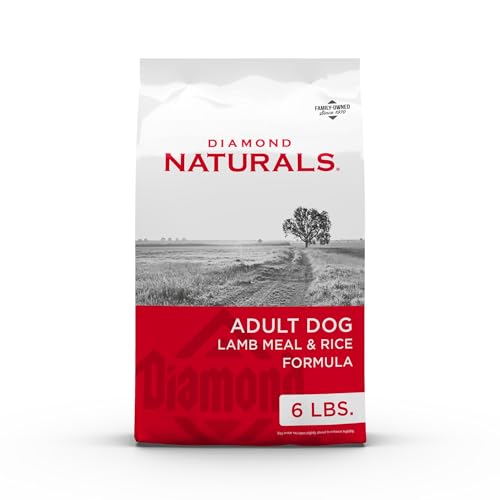
The best limited ingredient dog food for indoor dogs is Hill’s Science Diet Sensitive Stomach & Skin Small & Mini Breed. It provides easy-to-digest ingredients with prebiotic fiber and omega-6s, ideal for indoor pups. For a budget-friendly option, Diamond Naturals Real Meat Recipe offers a single animal protein source. If your indoor dog needs weight management, consider Purina Pro Plan Weight Control with fewer calories.
What to consider for Limited Ingredient Dog Food For Indoor Dogs
Indoor dogs often have lower activity levels, so calorie density matters. Limited ingredient formulas help identify and avoid food triggers for allergies or sensitivities. Look for a single protein source and minimal carbohydrate sources. Also consider your dog’s size, age, and any specific health issues like obesity or pancreatitis. Always transition food gradually over 7 to 10 days.
What to look for in a dog food
Choose a product with an AAFCO statement indicating it is complete and balanced for your dog’s life stage (adult or all life stages). The first ingredient should be a named meat, such as chicken or salmon. Protein should be moderate (20 to 30% dry matter), fat moderate (10 to 16%), and calories around 300 to 400 kcal per cup for indoor dogs. For large breeds, ensure calcium levels are appropriate for bone health. Omega fatty acids support skin and coat health, and prebiotic fiber aids digestion.
How we chose these picks
- Evaluated ingredient lists for single protein sources and limited carbohydrates.
- Checked AAFCO nutritional adequacy statements.
- Prioritized brands with established quality control and research.
- Considered suitability for indoor dogs: calorie density, fiber content, and low activity levels.
- Reviewed customer feedback for palatability and digestive tolerance.
- Ensured availability on Amazon with consistent positive ratings.
- Never ranked a product higher just because it pays a commission.
What to avoid
- Unnamed meat meal (e.g., “meat meal” or “poultry meal”) as the sole protein source.
- Defaulting to grain-free or legume-heavy recipes; the FDA DCM investigation is ongoing, and grain-inclusive is safer unless a vet advises otherwise.
- All-life-stages food for large-breed puppies, as it may have improper calcium levels.
- Abrupt diet switches; always transition over 7 to 10 days.
Explore more dog guides or see our dog food and dog nutrition recommendations.