Quick answer
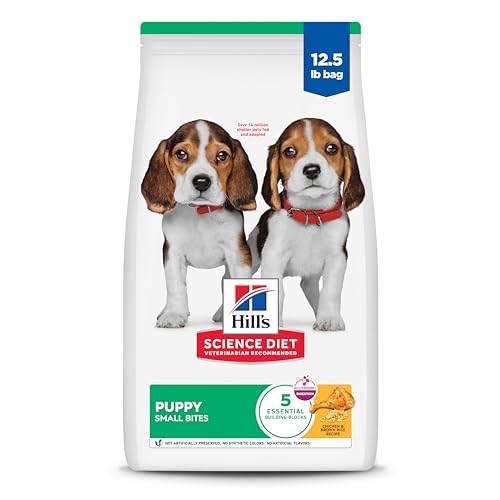
Our top pick is Hill’s Science Diet Puppy Small Bites for its balanced, limited ingredient recipe with DHA for brain development and a small kibble size. For puppies with very sensitive stomachs, Purina Pro Plan Sensitive Skin & Stomach Puppy offers easily digestible salmon and rice. If you need a budget-friendly option, Diamond Naturals Small Breed Puppy provides quality ingredients at a lower price.
What to consider for Limited Ingredient Dog Food For Small Breed Puppies
Small breed puppies have fast metabolisms and tiny mouths, so they need a calorie-dense, nutrient-rich food with small kibble. Limited ingredient diets reduce the risk of food sensitivities and make it easier to identify allergens. Look for a single animal protein source (like lamb, salmon, or chicken) and a limited carbohydrate list. Avoid recipes with excessive plant proteins or fillers. The food should meet AAFCO nutrient profiles for growth and be formulated for small breeds to ensure proper calcium-to-phosphorus ratio and kibble size.
What to look for in a dog food
Choose a food with an AAFCO statement confirming it is complete and balanced for puppies or all life stages. The first ingredient should be a named meat (e.g., chicken, lamb, salmon). Protein levels around 28 to 32 percent, fat around 15 to 20 percent, and calories between 350 and 450 kcal per cup are typical for small breed puppy foods. Ensure the kibble size is appropriate for small jaws. DHA from fish oil supports brain and eye development. For limited ingredient diets, aim for a single protein source and limited carbohydrate sources like brown rice or oatmeal. Avoid foods with artificial colors, flavors, or preservatives.
How we chose these picks
- We evaluated ingredient lists to ensure a single animal protein source and limited carbohydrates.
- We verified that each product meets AAFCO nutrient profiles for growth or all life stages.
- We prioritized brands with a history of rigorous quality control and feeding-data reviews.
- We considered kibble size and shape to suit small breed puppies.
- We checked for added DHA and omega fatty acids for developmental support.
- We reviewed customer feedback for palatability and digestive tolerance.
- We balanced price across different budgets while maintaining quality.
- Never ranked a product higher just because it pays a commission.
What to avoid
- Avoid foods where the primary protein source is an unnamed “meat meal” or “poultry meal”.
- Be cautious with grain-free or legume-heavy recipes; the FDA is investigating a potential link to canine dilated cardiomyopathy (DCM). Grain-inclusive diets are the safer default unless your veterinarian advises otherwise.
- Avoid all-life-stages foods for small breed puppies, as they may not have the right calcium and phosphorus balance for proper growth.
- Do not abruptly switch your puppy’s food; transition over 5 to 7 days by gradually mixing the new food with the old.
For more guidance, explore our dog guides and check out dog food and dog nutrition resources.