Quick answer
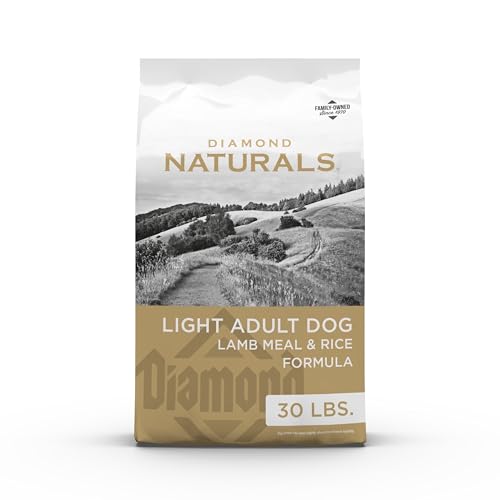
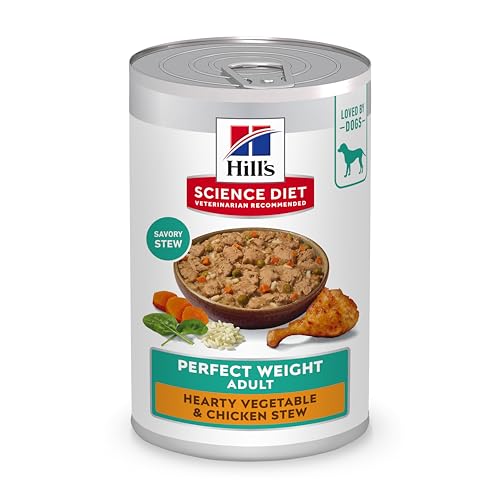
The best low calorie dog food for anal gland issues is the Hill’s Science Diet Adult Perfect Weight. It provides optimal fiber to promote firm stools and natural gland expression, while keeping calories low. For dogs with sensitive stomachs, the Purina Pro Plan Sensitive Skin & Stomach is a close runner-up. Budget-conscious owners can consider Diamond Naturals Light & Fit.
What to consider for Low Calorie Dog Food For Anal Gland Issues
Anal gland issues often stem from soft stools that fail to express the glands naturally. A low-calorie diet helps manage weight, which reduces pressure on the anal sacs. The key is to choose a food with moderate to high fiber content (around 4 to 8 percent crude fiber) to bulk up stools. Additionally, adequate fat from named animal sources supports skin and coat health without adding excess calories. Avoid foods with excessive fillers or artificial additives that can worsen stool quality.
What to look for in a dog food
Look for an AAFCO complete and balanced statement for adult maintenance or all life stages as appropriate. The first ingredient should be a named meat such as chicken, lamb, or fish. Protein should be between 20 and 30 percent, fat between 8 and 15 percent, and calories under 350 kcal per cup. Crude fiber should be around 4 to 8 percent to aid stool firmness. For large breeds, ensure appropriate kibble size and glucosamine/chondroitin for joint support. Omega-3 fatty acids from fish oil can reduce inflammation.
How we chose these picks
- Evaluated ingredient lists for named meat sources and absence of unnamed meat meals.
- Analyzed guaranteed analysis for fiber, protein, fat, and calorie content.
- Checked for AAFCO nutritional adequacy statements.
- Reviewed customer feedback on stool quality and weight management.
- Considered brand reputation and manufacturing standards.
- Prioritized grain-inclusive formulas unless a specific health need required grain-free.
- Ensured products are widely available on Amazon.
- Never ranked a product higher just because it pays a commission.
What to avoid
- Avoid foods with unnamed meat meal as the primary protein source, as quality is uncertain.
- Do not default to grain-free or legume-heavy recipes; the FDA DCM investigation is ongoing, and grain-inclusive is safer unless a vet advises otherwise.
- Avoid all-life-stages food for large-breed puppies, as it may have inappropriate calcium levels.
- Never switch diets abruptly; transition over 7 to 10 days to prevent digestive upset.
For more guidance, check our dog guides, dog food, and dog health resources.