Quick answer
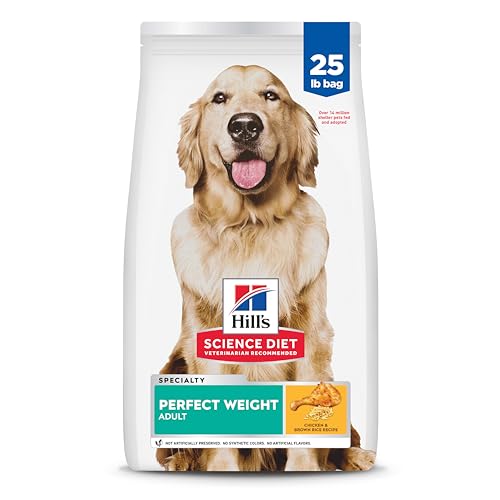
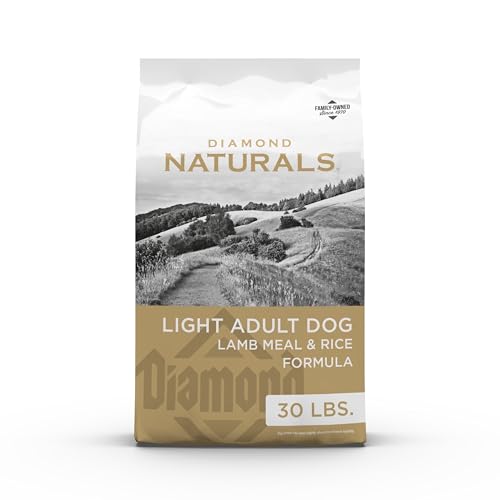
Our top pick is Purina Pro Plan Weight Management Large Breed Chicken & Rice Formula. It offers 30% less fat than the standard formula, L-carnitine for metabolism, and glucosamine for joints. For a budget-friendly option, Diamond Naturals Light & Fit provides similar benefits at a lower price. If your dog has a sensitive stomach, consider Hill’s Science Diet Adult Perfect Weight.
What to consider for Low Calorie Dog Food For Dogs Over 80 Lbs
Large and giant breed dogs over 80 lbs have unique nutritional needs when losing weight. They require controlled calories to avoid rapid weight loss that can stress joints, but also adequate protein to maintain muscle mass. Joint support (glucosamine, chondroitin, omega-3s) is critical because excess weight strains hips and elbows. Additionally, the kibble size should be large to encourage chewing and reduce gulping, which can cause bloat. Always transition slowly over 7 to 10 days to avoid digestive upset.
What to look for in a dog food
First, ensure the food is AAFCO complete and balanced for adult maintenance or weight loss. Look for a named animal protein (e.g., chicken, salmon) as the first ingredient. Protein should be around 25% to 35% on a dry matter basis, fat 8% to 12%, and fiber 5% to 10% to promote satiety. Calorie density should be under 350 kcal per cup. For large breeds, kibble size matters: larger pieces slow eating. Added glucosamine and chondroitin support joint health, and omega-3 fatty acids from fish oil help reduce inflammation. Avoid excessive carbohydrates or fillers.
How we chose these picks
- Evaluated calorie density per cup and fat content to ensure low calorie profile
- Checked that protein levels support muscle maintenance during weight loss
- Preferred formulas with added joint supplements (glucosamine, chondroitin)
- Considered kibble size and shape for large breeds
- Selected products from reputable brands with AAFCO feeding-data reviews or formulation
- Reviewed ingredient lists for named proteins and absence of artificial additives
- Compared price per pound to offer options for different budgets
- Never ranked a product higher just because it pays a commission
What to avoid
- Unnamed “meat meal” as the primary protein source; always look for named meals like chicken meal or salmon meal
- Defaulting to grain-free or legume-heavy recipes; the FDA DCM investigation is ongoing, so grain-inclusive is the safer default unless a vet advises otherwise
- All-life-stages food for a large-breed puppy; puppies need specific large-breed puppy formulas to control growth rate
- Abrupt diet switches; transition over 7 to 10 days to prevent digestive upset
For more guidance, check our dog guides and also dog food and dog health categories.