Quick answer
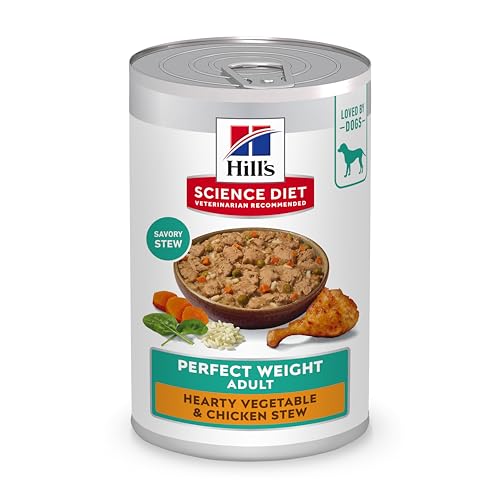
For most multi-pet homes, our top pick is Hill’s Science Diet Adult Perfect Weight. It provides balanced nutrition with fewer calories while keeping dogs satisfied. If your dogs have sensitive stomachs, Purina Pro Plan Weight Management is a great alternative. For budget-conscious owners, Diamond Naturals Light offers solid quality at a lower price.
What to consider for Low Calorie Dog Food For Multi Pet Homes
Feeding multiple dogs means managing different appetites, sizes, and health needs. A low-calorie food should still meet AAFCO standards for all life stages present. Consider kibble size if you have both large and small breeds. Also, think about how you’ll portion meals to prevent one dog from eating another’s food. Some foods are designed to be satiating, which helps reduce begging between meals.
What to look for in a dog food
Look for an AAFCO statement confirming the food is complete and balanced for your dog’s life stage. The first ingredient should be a named meat source like chicken or salmon. Protein content should be between 25% and 35% on a dry matter basis, fat between 8% and 15%, and fiber around 4% to 8% to aid satiety. For multi-pet homes, choose a food that suits the largest breed present, but ensure kibble size is appropriate for smaller dogs. Joint support (glucosamine and chondroitin) and omega fatty acids are beneficial for older or active dogs.
How we chose these picks
- Evaluated calorie density per cup to ensure low-calorie claims were accurate.
- Checked ingredient lists for named protein sources and whole grains.
- Reviewed nutritional profiles against AAFCO guidelines for adult maintenance.
- Considered palatability and satiety factors like fiber content.
- Selected foods from reputable brands with established quality control.
- Included options at various price points to suit different budgets.
- Focused on foods that work well for multiple dogs of different sizes.
- Never ranked a product higher just because it pays a commission.
What to avoid
- Avoid foods where the primary protein source is an unnamed “meat meal”.
- Do not default to grain-free or legume-heavy recipes; the FDA DCM investigation is ongoing, and grain-inclusive is the safer default unless a vet advises otherwise.
- Skip all-life-stages food for a large-breed puppy; it may have improper calcium levels.
- Avoid abrupt diet switches; transition over 7 to 10 days to prevent digestive upset.
For more guides, visit our dog guides, dog food, and dog nutrition sections.


