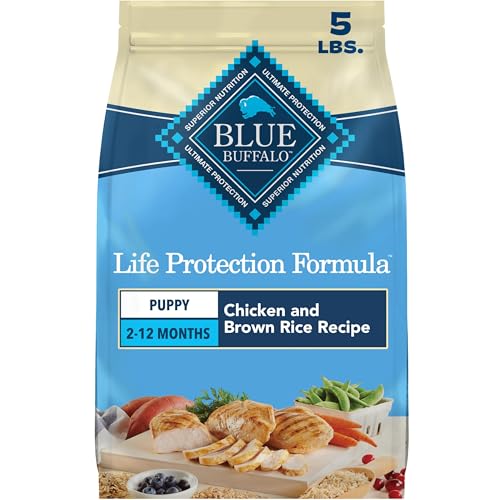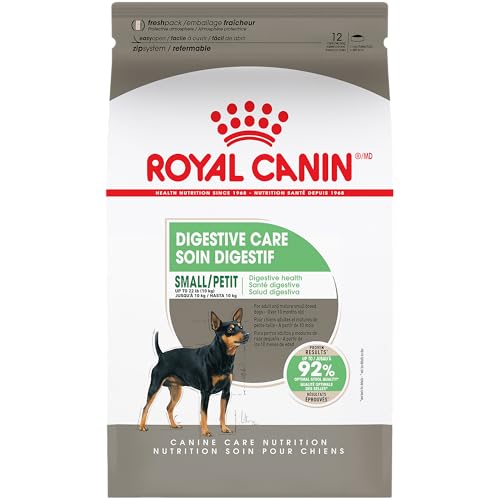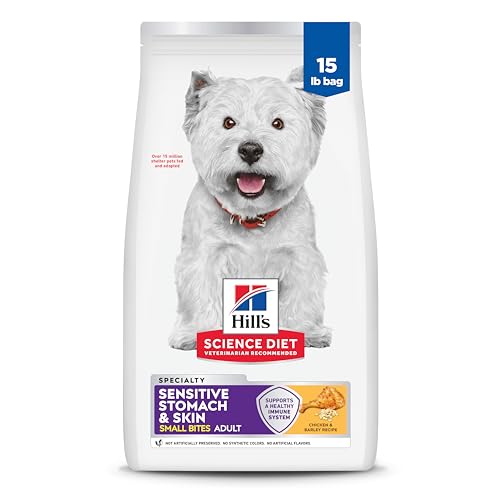
Quick answer
The best overall low-calorie dog food for puppies with sensitive stomachs is Hill’s Science Diet Puppy Sensitive Stomach & Skin Chicken & Barley Recipe. It provides balanced nutrition with easily digestible ingredients and a moderate calorie content. For a budget-friendly option, consider Purina Pro Plan Puppy Sensitive Skin & Stomach Salmon & Rice Formula.
What to consider for Low Calorie Dog Food For Puppies With Sensitive Stomachs
Puppies need more calories per pound than adult dogs, but some puppies are prone to weight gain or have a sensitive stomach that requires careful ingredient selection. A low-calorie puppy food should still meet AAFCO nutrient profiles for growth, with high-quality protein and limited fat to support healthy weight while being gentle on digestion. Look for easily digestible carbohydrates like barley or oatmeal, and avoid common allergens such as corn, wheat, or soy. Also consider the kibble size for your puppy’s breed.
What to look for in a dog food
Ensure the food states it is ‘complete and balanced’ for puppies or all life stages according to AAFCO. Look for a named meat source (e.g., chicken, salmon) as the first ingredient. Protein should be around 22 to 32% dry matter, fat around 8 to 15% for lower calorie, and fiber around 3 to 5% to aid digestion. For large breed puppies, choose a formula with controlled calcium and phosphorus levels. Omega-3 fatty acids from fish oil can support skin and coat health. Probiotics or prebiotic fibers like chicory root help sensitive stomachs.
How we chose these picks
- Evaluated ingredient lists for quality and digestibility.
- Checked calorie density (kcal/cup) to ensure low-calorie profile.
- Verified AAFCO nutritional adequacy for growth.
- Considered brand reputation and manufacturing standards.
- Reviewed customer feedback for palatability and digestive tolerance.
- Ensured availability on Amazon for convenience.
- Compared price per pound to provide budget options.
- Never ranked a product higher just because it pays a commission.
What to avoid
- Unnamed ‘meat meal’ as the primary protein source.
- Grain-free or legume-heavy recipes without veterinary guidance due to potential DCM link.
- All-life-stages food for large-breed puppies unless specifically formulated.
- Abrupt diet switches; transition over 7 to 10 days.
For more guidance, check our dog guides, dog food, and dog nutrition sections.