Quick answer
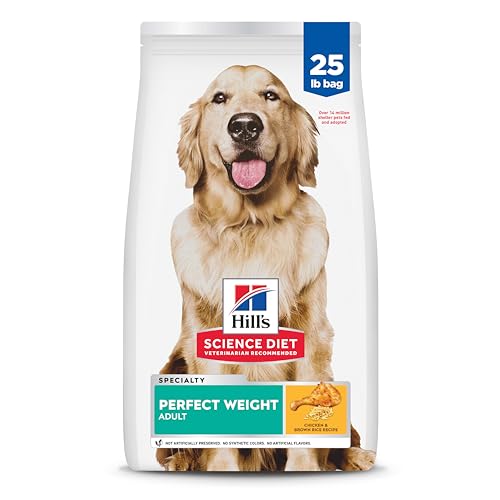
Our editorial team recommends Hill’s Science Diet Adult Perfect Weight as the best low calorie dog food with grains. It provides balanced nutrition with 30% fewer calories than standard foods, helping dogs lose weight effectively. For a budget-friendly alternative, consider Purina Pro Plan Weight Management. If your dog has a sensitive stomach, Blue Buffalo Life Protection Healthy Weight offers added digestive support.
What to consider for Low Calorie Dog Food With Grains
When choosing a low-calorie dog food with grains, focus on calorie density (typically 250 to 350 kcal per cup), protein content (at least 25% on a dry matter basis to preserve muscle), and fiber levels (around 8 to 12% for satiety). Grains like brown rice, barley, and oats provide energy and fiber. Ensure the food is AAFCO complete and balanced for your dog’s life stage. Avoid recipes with excessive fat (below 12% dry matter) or fillers. Always consult your veterinarian before starting a weight loss plan.
What to look for in a dog food
Look for an AAFCO statement confirming the food is complete and balanced for your dog’s life stage (adult maintenance, growth, or all life stages). The first ingredient should be a named meat source (e.g., chicken, lamb, salmon). Protein should be between 25% and 35% dry matter, fat between 8% and 15%, and fiber around 8% to 12%. Calorie content should be clearly stated (typically 250 to 350 kcal per cup). For large breeds, ensure appropriate calcium levels and joint support (e.g., glucosamine). Omega-3 fatty acids from fish oil or flaxseed support skin and coat health.
How we chose these picks
- Analyzed calorie content and guaranteed analysis of each product.
- Verified AAFCO nutritional adequacy statements for appropriate life stages.
- Reviewed ingredient lists to ensure named meat as first ingredient and inclusion of whole grains.
- Checked for added fiber sources (e.g., beet pulp, barley) to promote satiety.
- Considered brand reputation and manufacturing quality standards.
- Evaluated price per pound and value for the nutritional profile.
- Read customer feedback on weight loss results and palatability.
- Never ranked a product higher just because it pays a commission.
What to avoid
- Avoid foods with unnamed meat meals (e.g., “meat meal” or “poultry meal”) as the sole protein source; look for named meals like chicken meal.
- Avoid grain-free or legume-heavy recipes unless recommended by your veterinarian, as the FDA continues to investigate a potential link between these diets and canine dilated cardiomyopathy (DCM).
- Avoid all-life-stages foods for large-breed puppies, as they may have improper calcium levels.
- Avoid abrupt diet switches; transition over 7 to 10 days by gradually mixing new food with old.
- Avoid foods with excessive fat (above 15% dry matter) or added sugars.
For more guidance, see our dog guides and related articles on dog food and dog nutrition.


