Quick answer
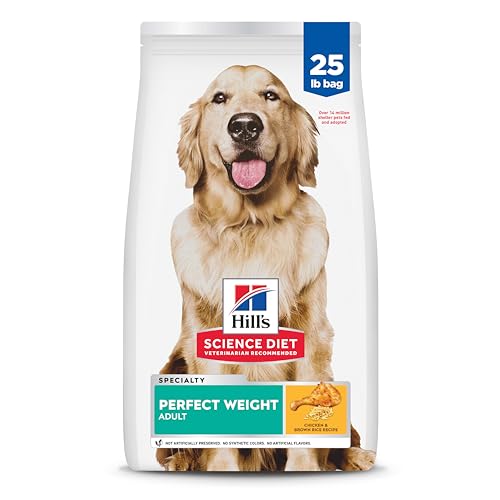
Our top pick for low calorie dog food without legumes is Hill’s Science Diet Perfect Weight Adult. It provides balanced nutrition with a moderate calorie count, no legumes, and a grain-inclusive formula. For a budget-friendly option, consider Diamond Naturals Light & Fit. For dogs with sensitive stomachs, Purina Pro Plan Weight Management is a great alternative.
What to consider for Low Calorie Dog Food Without Legumes
Choosing a low calorie dog food without legumes requires careful attention to calorie density, protein source, and grain inclusion. Legumes like peas and lentils are often used as low-cost protein sources, but some owners prefer to avoid them due to potential links to canine dilated cardiomyopathy (DCM). Instead, look for named meat proteins (e.g., chicken, lamb) and healthy grains like brown rice or oats. Calorie content should be around 250 to 350 kcal per cup, with fat content between 8% and 15% on a dry matter basis. Also consider your dog’s life stage, activity level, and any allergies.
What to look for in a dog food
First, ensure the food meets AAFCO nutrient profiles for your dog’s life stage (adult maintenance, growth, or all life stages). The first ingredient should be a named meat source (e.g., chicken, salmon). Protein levels should be 20% to 30%, fat 8% to 15%, and fiber 3% to 5% for weight management. Calorie density matters: aim for 250 to 350 kcal per cup. For large breed dogs, look for controlled calcium and phosphorus. Joint support (glucosamine, chondroitin) and omega fatty acids are beneficial. Avoid vague ingredients like “meat meal” without a species name.
How we chose these picks
- Evaluated calorie content per cup and ensured it fits low calorie criteria (under 350 kcal/cup).
- Verified that the recipe does not contain legumes (peas, lentils, chickpeas) as primary ingredients.
- Checked that the first ingredient is a named meat protein.
- Prioritized brands with strong nutritional reputations and AAFCO statements.
- Considered price per pound and overall value.
- Read customer and expert reviews for palatability and digestive tolerance.
- Ensured products are widely available on Amazon.
- Never ranked a product higher just because it pays a commission.
What to avoid
- Avoid foods with unnamed “meat meal” as the sole protein source.
- Do not default to grain-free or legume-heavy recipes unless your vet advises it; the FDA DCM investigation is ongoing, and grain-inclusive is generally safer.
- Avoid all-life-stages food for large-breed puppies; use a puppy-specific formula.
- Do not abruptly switch diets; transition over 7 to 10 days to avoid digestive upset.
For more guides, visit our dog guides and check out dog food and dog nutrition categories.


