Quick answer
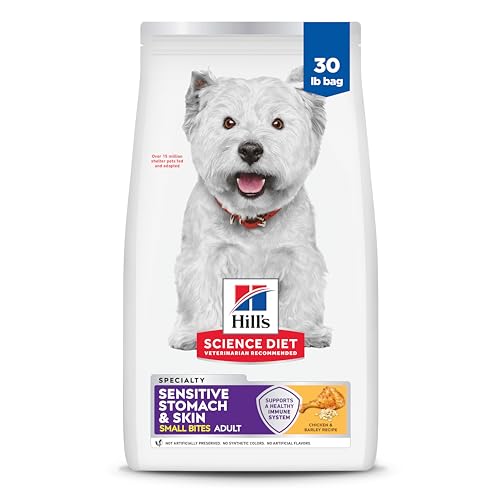
Our top pick is Purina Pro Plan Low Fat, because its moderate calorie density and high protein help maintain muscle without excess fat, reducing the risk of digestive issues during flights. For dogs with sensitive stomachs, Hill’s Science Diet Sensitive Stomach & Skin is a close runner-up. Budget-conscious travelers can consider Diamond Naturals Low Fat.
What to consider for Low Fat Dog Food For Airline Travel
When choosing a low-fat dog food for air travel, focus on fat content below 10% on a dry matter basis to minimize the chance of pancreatitis or diarrhea. Also consider calorie density (around 300 to 350 kcal per cup) to prevent overfeeding, and a formula that includes easily digestible carbohydrates like rice or barley. Portion control is critical, as airline weight limits for carry-on pets are strict. Additionally, a food that promotes calmness (e.g., with L-tryptophan or omega-3s) can help reduce travel anxiety.
What to look for in a dog food
Look for an AAFCO complete and balanced statement for the appropriate life stage (adult maintenance or all life stages). The first ingredient should be a named meat source (e.g., chicken, lamb, or salmon). Protein levels should be around 20 to 30% to maintain lean body mass. Fat content should be 8 to 12% (dry matter) for low-fat needs, and fiber around 3 to 5% to aid digestion. For small breeds, smaller kibble size is beneficial. Joint support (glucosamine) and omega fatty acids can help with mobility and coat health. Avoid foods with excessive fillers or artificial additives.
How we chose these picks
- Evaluated fat content to ensure each product meets low-fat criteria (under 10% dry matter).
- Checked calorie density to support weight management and airline weight limits.
- Reviewed ingredient lists for high-quality protein sources and digestible carbohydrates.
- Considered brand reputation and adherence to AAFCO standards.
- Included options for sensitive stomachs and budget-friendly choices.
- Selected foods with positive customer feedback for travel scenarios.
- Never ranked a product higher just because it pays a commission.
What to avoid
- Unnamed “meat meal” as the only protein source; look for named meals like chicken meal.
- Defaulting to grain-free or legume-heavy recipes without veterinary advice due to the ongoing FDA DCM investigation; grain-inclusive is safer.
- All-life-stages foods for large-breed puppies; they need specific large-breed puppy formulas.
- Abrupt diet switches; transition over 7 to 10 days to avoid digestive upset.
For more guidance, visit our dog guides, dog food, and dog nutrition sections.