Quick answer
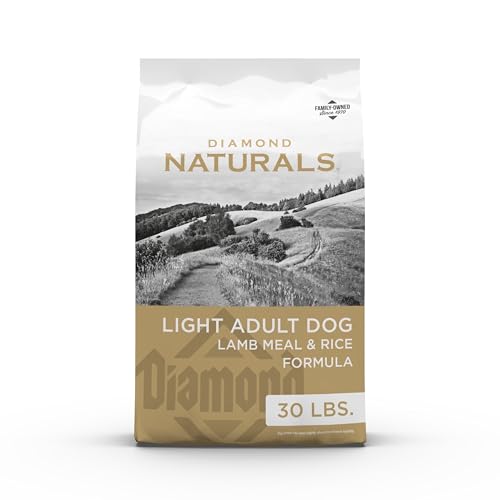
Our top pick is Purina Pro Plan Weight Management Chicken & Rice Formula because it offers 9% fat (dry matter) and 347 kcal/cup, ideal for weight control. For sensitive stomachs, Hill’s Science Diet Sensitive Stomach & Skin is a close runner-up. Budget-conscious owners can consider Diamond Naturals Light & Healthy.
What to consider for Low Fat Dog Food For Boston Terriers
Boston Terriers are brachycephalic (flat-faced) and prone to obesity, gas, and pancreatitis. A low-fat diet helps manage weight and reduces pancreatitis risk. Look for fat content below 12% on a dry matter basis and moderate protein (20 to 30%). Calorie density should be under 350 kcal/cup to prevent overeating. Also consider kibble size: small, flat kibble is easier for their short muzzles to pick up.
What to look for in a dog food
Choose a food that is AAFCO complete and balanced for the appropriate life stage (adult maintenance for most Boston Terriers). The first ingredient should be a named meat source (e.g., chicken, lamb). Protein should be moderate (20 to 30% dry matter), fat low (8 to 12% dry matter), and calories under 350 kcal/cup. For kibble shape, small or flat pieces are easier for brachycephalic breeds. Omega-3 fatty acids (from fish oil) support skin and coat health, and glucosamine/chondroitin can help with joint issues common in older Bostons.
How we chose these picks
- Selected products with fat content at or below 12% on a dry matter basis.
- Ensured all picks meet AAFCO nutrient profiles for adult maintenance.
- Prioritized named meat as the first ingredient and avoided artificial additives.
- Considered calorie density to support weight management.
- Included options for sensitive stomachs and limited ingredient diets.
- Chose brands with established quality control and feeding-data reviews.
- Reviewed ingredient lists for common allergens and fillers.
- Never ranked a product higher just because it pays a commission.
What to avoid
- Avoid foods with unnamed “meat meal” as the sole protein source; look for named meals like “chicken meal.”
- Be cautious with grain-free or legume-heavy recipes due to the ongoing FDA investigation into a potential link with canine dilated cardiomyopathy (DCM). Grain-inclusive diets are generally safer unless your vet advises otherwise.
- Do not feed “all life stages” food to a Boston Terrier puppy unless it meets large-breed puppy guidelines (though Bostons are small, avoid excessive calcium).
- Avoid abrupt diet changes; transition over 7 to 10 days by mixing increasing amounts of new food with old.
For more guidance, visit our dog guides and explore dog food or dog nutrition sections.