Quick answer
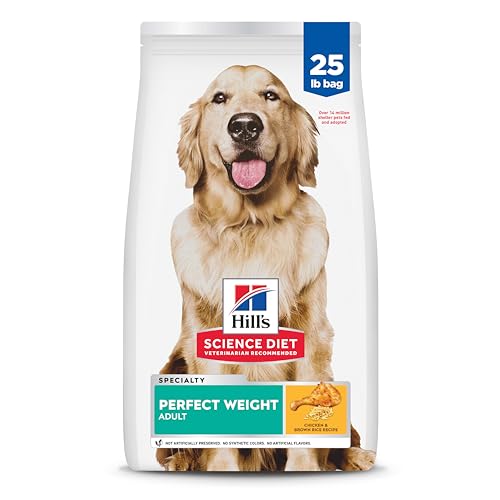
Our top pick is Hill’s Science Diet Adult Perfect Weight, which combines controlled fat with high-quality protein for weight management. For sensitive stomachs, Purina Pro Plan Sensitive Skin & Stomach Salmon & Rice is excellent. If you’re on a budget, Diamond Naturals Light & Fit provides solid nutrition at a lower price.
What to consider for Low Fat Dog Food For First Time Owners
First time owners often worry about overfeeding or choosing the wrong food. Low fat dog food typically contains less than 12% fat on a dry matter basis, but the exact level depends on your dog’s size, age, and activity. It’s important to transition gradually over 7 to 10 days to avoid digestive upset. Also, look for a food that meets AAFCO standards for your dog’s life stage, and consult your vet before making any dietary changes, especially if your dog has health issues.
What to look for in a dog food
Look for an AAFCO statement indicating the food is complete and balanced for your dog’s life stage (adult maintenance, growth, or all life stages). The first ingredient should be a named meat source like chicken, salmon, or lamb. Protein should be moderate, around 20 to 30%, and fat around 8 to 12% for low fat options. Calorie content should be appropriate for weight management, typically 300 to 400 kcal per cup. For large breeds, ensure the food supports joint health with glucosamine and chondroitin. Omega fatty acids are beneficial for skin and coat.
How we chose these picks
- Evaluated fat content and calorie density to ensure low fat claims are accurate.
- Checked ingredient lists for named meat sources and absence of artificial additives.
- Verified AAFCO nutritional adequacy statements for appropriate life stages.
- Considered brand reputation and history of quality control.
- Read customer reviews to gauge palatability and digestive tolerance.
- Compared price per pound to offer options for different budgets.
- Consulted veterinary nutrition guidelines for low fat diets.
- Never ranked a product higher just because it pays a commission.
What to avoid
- Unnamed “meat meal” as the only protein source; opt for named meals like chicken meal or salmon meal.
- Defaulting to grain-free or legume-heavy recipes without veterinary advice due to the FDA’s ongoing investigation into a potential link with canine dilated cardiomyopathy (DCM).
- All-life-stages food for a large-breed puppy, as it may contain too much calcium and phosphorus.
- Abrupt diet switches; always transition over 7 to 10 days to prevent digestive upset.
For more guidance, explore our dog guides, dog food, and dog nutrition resources.


