Quick answer
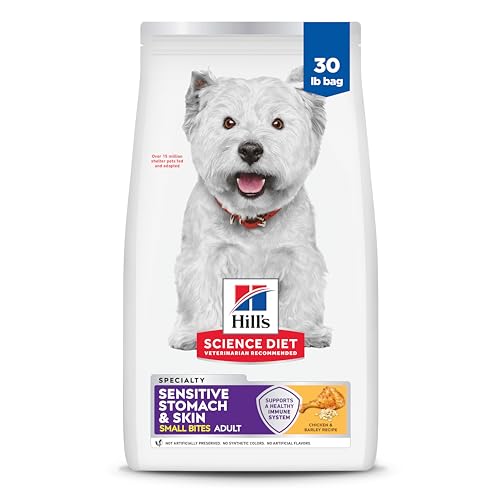
Our top pick for the best low fat dog food for loose stools is Hill’s Science Diet Sensitive Stomach & Skin Adult Chicken & Barley Recipe. Its moderate fat content and highly digestible ingredients help firm up stools. For a budget-friendly option, consider Purina Pro Plan Sensitive Skin & Stomach Salmon & Rice Formula. If your dog is a puppy, Royal Canin Gastrointestinal Low Fat Puppy Food is a great choice.
What to consider for Low Fat Dog Food For Loose Stools
When your dog has loose stools, fat content is a key factor. High fat can exacerbate diarrhea or soft stools, especially in dogs with sensitive stomachs or conditions like pancreatitis. Look for foods with moderate fat levels (around 10 to 15% on a dry matter basis) and highly digestible carbohydrates like rice or barley. Fiber sources, such as beet pulp or pumpkin, can also help firm stools. Always consult your veterinarian to rule out underlying health issues before changing diets.
What to look for in a dog food
Choose a food that is AAFCO complete and balanced for your dog’s life stage. The first ingredient should be a named meat source (e.g., chicken, salmon). Protein levels should be moderate (20 to 30% dry matter), fat around 10 to 15%, and calories appropriate for your dog’s activity level. For large breeds, ensure the food meets large breed puppy or adult guidelines. Joint support (glucosamine, chondroitin) and omega fatty acids (fish oil) can benefit overall health. Grain-inclusive recipes are generally recommended unless your vet advises otherwise due to the ongoing FDA DCM investigation.
How we chose these picks
- We analyzed ingredient lists for named meat sources and digestible carbohydrates.
- We prioritized foods with moderate fat content (10 to 15% dry matter) suitable for loose stools.
- We selected products from reputable brands with AAFCO feeding-data reviews or nutritional adequacy statements.
- We considered fiber sources like beet pulp, pumpkin, or prebiotics that support stool quality.
- We evaluated life stage appropriateness (puppy, adult, senior) and breed size suitability.
- We read customer reviews for real-world feedback on stool firmness and palatability.
- We avoided foods with unnamed meat meals or excessive fat.
- Never ranked a product higher just because it pays a commission.
What to avoid
- Avoid foods with unnamed “meat meal” as the primary protein source; opt for named meats like chicken meal or salmon meal.
- Do not default to grain-free or legume-heavy recipes unless your veterinarian specifically recommends them, as the FDA continues to investigate a potential link with canine dilated cardiomyopathy (DCM).
- Do not feed an “all life stages” food to a large-breed puppy; choose a formula designed for large breed growth.
- Avoid abrupt diet switches; transition over 7 to 10 days by gradually mixing old and new food to prevent digestive upset.
For more guidance, check out our dog guides, dog food, and dog health articles.


