Quick answer
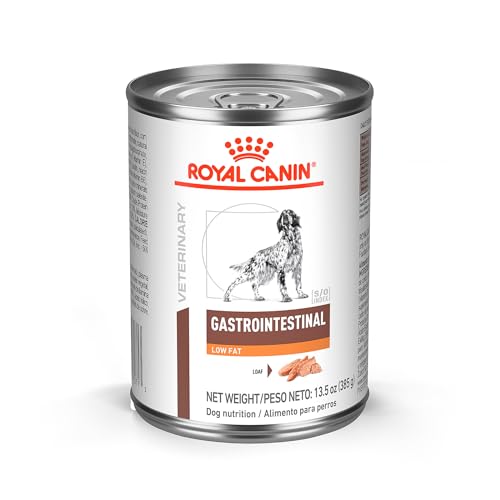
Our top pick is Hill’s Science Diet Sensitive Stomach & Skin Adult Dog Food for its balanced low fat (12% min crude fat) and prebiotic fiber that supports digestive health. If your dog needs an even lower fat option for pancreatitis recovery, Royal Canin Veterinary Diet Gastrointestinal Low Fat is a veterinary-exclusive choice. For budget-conscious owners, Purina Pro Plan Sensitive Skin & Stomach offers solid nutrition at a lower price point.
What to consider for Low Fat Dog Food For Sensitive Stomachs
Dogs with sensitive stomachs often have trouble digesting high-fat foods, which can trigger diarrhea, vomiting, or pancreatitis. Low-fat dog food typically contains less than 15% crude fat on a dry matter basis. Look for a single, novel protein source (like salmon or lamb) to minimize allergic reactions. Easily digestible carbohydrates such as rice or oatmeal provide energy without irritation. Fiber sources like pumpkin or beet pulp help firm stools. Avoid foods with artificial additives, by-products, or excessive protein that can upset the gut. Always transition slowly over 7 to 10 days.
What to look for in a dog food
Choose a food that meets AAFCO nutrient profiles for your dog’s life stage (puppy, adult, or senior). The first ingredient should be a named meat or meat meal (e.g., chicken, lamb, salmon). For sensitive stomachs, moderate protein (20 to 30% dry matter) and low fat (8 to 15% dry matter) are typical. Calorie density should match your dog’s activity level; for weight management, aim for 300 to 350 kcal per cup. If you have a large breed, ensure the food supports joint health with glucosamine and chondroitin. Omega-3 fatty acids from fish oil can reduce inflammation. Avoid grain-free unless your vet advises it, as some grain-free diets have been linked to DCM.
How we chose these picks
- Reviewed guaranteed analysis for crude fat content (targeting under 15% dry matter).
- Checked ingredient lists for easily digestible proteins and carbohydrates.
- Prioritized brands with AAFCO feeding-data review substantiation and strong quality control.
- Considered customer reviews for palatability and digestive improvement.
- Evaluated price per pound to offer options across budgets.
- Consulted veterinary nutrition guidelines for low-fat and sensitive stomach formulations.
- Never ranked a product higher just because it pays a commission.
What to avoid
- Unnamed meat meals (e.g., “meat meal” or “poultry meal”) as the primary protein source.
- Grain-free or legume-heavy recipes unless a veterinarian specifically recommends them due to the FDA DCM investigation.
- All-life-stages formulas for large-breed puppies, as they may have improper calcium-to-phosphorus ratios.
- Abrupt diet switches; always transition over 7 to 10 days to avoid digestive upset.
For more help, check our dog guides, dog food, and dog health resources.