Quick answer
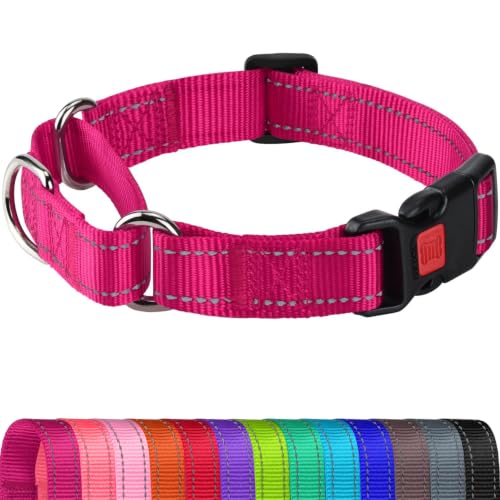
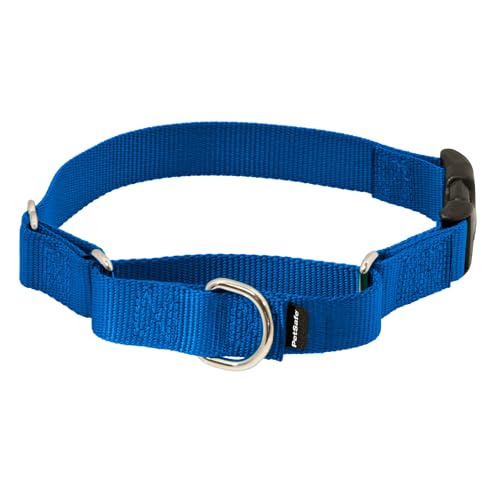
The 2 Hounds Design Freedom No Pull Martingale Collar is our top pick because its patented martingale loop limits collar tightening, reducing trachea pressure. For budget-conscious owners, the Rabbitgoo Martingale Collar offers similar features at a lower price. If you need extra padding, the Blue-9 Balance Martingale Collar provides comfort without compromising control.
What to consider for Martingale Dog Collar For Dogs With Trachea Problems
Dogs with trachea problems, such as collapsing trachea or tracheal irritation, require collars that minimize pressure on the neck. Martingale collars are designed to tighten only a limited amount when the dog pulls, preventing choking while still offering control. Key considerations include the width of the collar (wider distributes pressure better), the material (soft, padded options reduce friction), and the limit stop that prevents over-tightening. Avoid collars with metal chain sections that can pinch or cause discomfort. Always pair with a harness for dogs that pull strongly, as even martingale collars can exacerbate trachea issues if used alone for heavy pullers.
What to look for in a gear item (harness, collar, leash or muzzle)
Correct fit and sizing: Measure your dog’s neck and chest accurately. The martingale loop should sit high on the neck, just behind the ears. Durable hardware and materials: Look for strong nylon webbing, rust-resistant D-rings, and secure stitching. Safety features: A limited slip design that prevents choking, reflective stitching for visibility, and a quick-release buckle for emergencies. Comfort and padding: Soft neoprene or fleece lining reduces chafing and distributes pressure. No-pull design: A martingale collar is inherently a training tool that discourages pulling without choking, but for dogs with trachea issues, a harness is preferred for no-pull training.
How we chose these picks
- Evaluated martingale collars specifically designed to limit tightening to reduce trachea pressure.
- Prioritized collars with wide, padded or soft materials to distribute force evenly.
- Checked for safety features like breakaway buckles or quick-release mechanisms.
- Selected collars from reputable brands with positive customer feedback and transparent sizing guides.
- Considered collars suitable for small to large breeds, as trachea problems affect various sizes.
- Excluded collars with chain sections or harsh materials that could irritate the neck.
- Consulted veterinary behavior guidelines on safe collar use for dogs with respiratory issues.
- Never ranked a product higher just because it pays a commission.
What to avoid
- Ill-fitting sizes: A collar that is too loose can slip off; too tight can restrict breathing. Always measure carefully.
- Flimsy clips that fail on strong dogs: Plastic buckles may break under pressure; opt for metal hardware.
- Aversive tools used without professional guidance: Shock collars, prong collars, or choke chains can worsen trachea damage and cause behavioral issues.
- Retractable leashes near traffic: They can cause sudden jerks that strain the trachea; use a standard 4-6 foot leash.
For more guidance, check our dog guides, dog health resources, and dog care products.