Some links below are affiliate links. If you buy through them we may earn a small commission at no extra cost to you. Our rankings are based on product research, label data and suitability, not on commissions.
Best Overall: Boshel Dog Nail Clippers. Sturdy stainless steel blades cut through thick German Shepherd nails cleanly, and the saf.
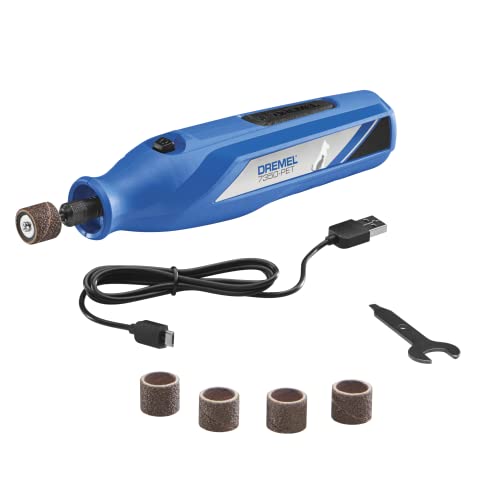
Best Grinder: Dremel 7300-PT Pet Grooming Grinder. A quiet, cordless rotary grinder that smooths nails gradually, ideal for dogs that flinch.
Best Budget: Hertzko Heavy Duty Dog Nail Clippers. An affordable scissor style clipper with sharp stainless blades and a safety stop that han.
Best Heavy Duty: Millers Forge Pet Nail Clipper. A groomer favorite with strong, precise blades built for the thickest nails, delivering qu.
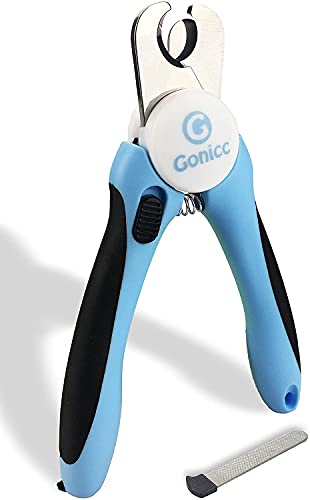
Runner-Up: gonicc Dog Nail Clippers. Razor sharp 3.5mm thick stainless blades, a protective guard, and a comfortable grip make.
Quick answer
For most German Shepherds the Boshel Dog Nail Clippers are our top pick thanks to strong stainless steel blades and a built in safety guard. If your dog dislikes the snap of clippers, the Dremel 7300-PT grinder smooths nails quietly. On a tight budget, the Hertzko clippers handle thick large breed nails without straining your hand.
What to consider
German Shepherds have thick, dense nails that overwhelm small or cheap clippers, so look for heavy duty stainless steel blades sized for large breeds. A safety guard helps you avoid cutting the quick, and a non slip handle keeps control when your dog squirms. Grinders are gentler and reduce splitting, while guillotine and scissor style clippers cut faster. Many owners keep both a clipper and a grinder so they can trim quickly then smooth sharp edges.
How we picked
We assessed blade strength on thick nails, grip comfort, noise level for nervous dogs, included safety features, and long term durability. We weighed feedback from German Shepherd owners and groomers, then matched each tool to a clear use case so you can choose by need rather than guesswork.
German Shepherds have thick, dense nails that defeat small clippers, so a large breed tool with hardened steel blades and a safety guard is the single most important factor for a safe, clean trim.
The Options
Types Explained
Scissor clippers
Plier style cutters with two curved blades that close around the nail for a fast, clean cut, the most popular choice for large dogs.
Best for: Owners who want quick trims on thick German Shepherd nails.
Guillotine clippers
A single blade slides up through a ring to slice the nail, simple to use but better suited to small and medium nails than very thick ones.
Best for: Lighter nails and owners who prefer a one motion cut.
Rotary grinders
Battery powered tools with a sanding head that files the nail down smoothly, gentle and precise with no risk of a single deep cut.
Best for: Anxious dogs and owners nervous about hitting the quick.
Clipper and grinder combos
Kits that pair a clipper for fast bulk removal with a grinder for finishing, giving you speed first and smooth rounded edges after.
Best for: Owners who want both speed and a polished finish.
The Rankings
Top 5 Picks
#1
Best Overall
Boshel Dog Nail Clippers
View on Amazon
Sturdy stainless steel blades cut through thick German Shepherd nails cleanly, and the safety guard plus non slip ergonomic handle make trimming controlled and confident.
Razor sharp 3.5mm thick stainless blades, a protective guard, and a comfortable grip make these a reliable backup pick for confident large breed trims.
German Shepherd nails are thick and dense, so choose hardened stainless steel blades rated for large breeds to avoid crushing or splitting the nail.
02
Safety guard
A quick stop guard limits how far the blade travels, reducing the risk of cutting into the quick and causing pain or bleeding.
03
Grip and comfort
A non slip ergonomic handle gives steady control during a wiggly trim and lessens hand fatigue when you have many strong nails to cut.
04
Noise level
Nervous dogs react to loud snaps and high pitched motors, so a quiet grinder or a smooth clipper helps keep sessions calm and stress free.
05
Durability
Thick nails wear cheap tools fast, so look for solid construction and replaceable or rechargeable parts that keep the tool sharp for years.
Living With It
Care, Cost and Maintenance
Trim a little, often
Cut small amounts every two to four weeks so the quick recedes over time, making each trim safer and keeping nails at a healthy length.
Find the quick
On light nails the pink quick is visible, while on dark German Shepherd nails trim thin slices until you see a small gray or white circle, then stop.
Keep styptic ready
Have styptic powder or cornstarch on hand to stop bleeding fast if you nick the quick, then reward your dog to keep future sessions positive.
Pro tip
Clip first for speed, then finish with a grinder to round off sharp edges, and always reward your dog so future nail sessions stay calm and easy.
Frequently asked questions
How often should I trim my German Shepherd's nails?
Most German Shepherds need a trim every two to four weeks. If you hear nails clicking on hard floors, they are too long and it is time to cut them.
Are clippers or grinders better for German Shepherds?
Clippers are faster and better for thick nails, while grinders are gentler and quieter. Many owners use a clipper first, then a grinder to smooth sharp edges.
What size nail clipper does a German Shepherd need?
A large breed clipper with heavy duty stainless steel blades, such as the Boshel or Millers Forge, since small clippers struggle with thick adult nails.
How do I cut dark nails without hitting the quick?
Trim thin slices at a time and watch the cut end. When you see a small gray or white circle appear in the center, stop, because the quick is close.
What should I do if I cut the quick?
Apply styptic powder or cornstarch with firm pressure to stop the bleeding. Stay calm, comfort your dog, and end the session on a positive note with a treat.
Are nail grinders safe and quiet enough for nervous dogs?
Yes. A grinder like the Dremel 7300-PT runs quietly and removes only small amounts, so introduce it slowly with treats and let your dog get used to the sound.
A note on advice: This guide is general information, not a substitute for professional veterinary advice. Talk to your vet before changing your dog's diet or care routine, especially if your dog has allergies, kidney disease, pancreatitis, obesity, heart disease or any other medical condition.
Transparency
How we made this guide
How we chose. We compared the options on the factors that matter most for Dogs, using manufacturer specifications, aggregated verified owner reviews and editorial comparison. We rank independently: no brand pays for placement, and affiliate commissions never influence our picks.
How it was written. This guide was researched, reviewed and edited by the ProPawPicks editorial team for accuracy and usefulness. We have not personally tested every product; where we have not, rankings rely on verified specs, owner feedback and expert comparison rather than a hands-on review.
Affiliate disclosure. ProPawPicks is reader-supported. If you buy through links on our site, we may earn a commission at no extra cost to you. See our affiliate disclosure.