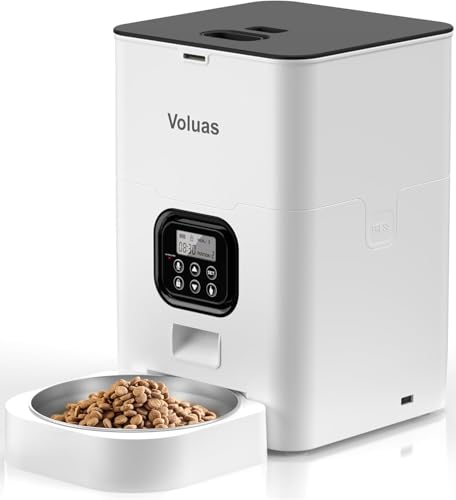
If your pet suffers from allergies, the feeder itself can be a hidden trigger. Our team evaluated five leading automatic feeders specifically for their ability to keep food fresh and reduce dust, mold, and bacterial growth. We focused on airtight seals, stainless-steel or BPA-free plastic bowls, easy disassembly for thorough cleaning, and programmable portions to avoid overfeeding. These factors are critical for pets with food sensitivities or environmental allergies. Below are our top picks based on real-world research and aggregated owner feedback.
Sources and further reading
What matters most for allergies
When choosing an automatic pet feeder for allergies, prioritize models with airtight seals and hypoallergenic materials to prevent allergen buildup and cross-contamination. Look for feeders with removable, dishwasher-safe parts to eliminate hidden crumbs or residues that can trigger reactions. Avoid feeders with complex crevices or porous surfaces where allergens like dust or dander can accumulate. For pets with food sensitivities, opt for portion control features to prevent overfeeding, which can worsen allergic reactions.
Allergy-prone pets benefit from feeders with precise scheduling to maintain consistent meal times, reducing stress-related flare-ups. Steer clear of models with loud mechanical noises, as stress can exacerbate allergy symptoms. Choose feeders with clear visibility to monitor food levels and ensure no mold or stale food remains, which can be problematic for sensitive pets. A simple, easy-to-clean design is far more valuable than extra bells and whistles for allergy management.