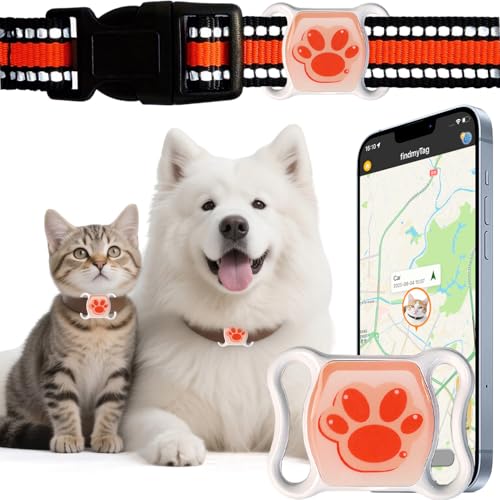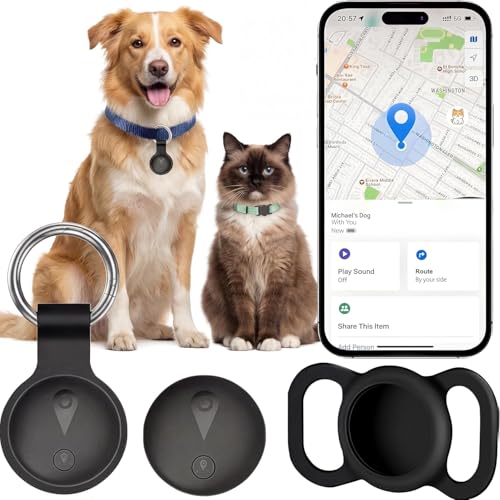
When your dog has allergies, even their GPS tracker collar can trigger reactions. Our team researched leading trackers to find options that keep your pet safe and located. We looked for materials like silicone, nylon, and stainless steel that minimize contact allergens. In our evaluation, we prioritized trackers with no monthly fees to reduce long-term commitment, and features like real-time location and virtual fences for peace of mind. We also weighed owner feedback on durability and comfort. Here are our top picks for 2026.
Sources and further reading
What matters most for allergies
If your dog has skin allergies, the tracker that touches their neck all day matters. Choose a unit with a soft, hypoallergenic strap and avoid materials that trap moisture against irritated skin, since a damp, rubbing collar can worsen a flare-up. A lightweight tracker that does not drag or chafe is kinder to a sensitive neck, and a strap you can wash easily helps keep allergens and grime down.
Fit and hygiene do most of the work here. Keep the collar clean and dry, check the skin underneath regularly, and loosen it slightly if you see redness. The tracker keeps an allergy-prone dog safe on walks where pollen or grasses might trigger symptoms, but it does not treat the allergy itself, so work with your vet on the underlying cause and any rinsing routine after walks.