🏆 Complete Buyer's Guide · Dog Feeders & Fountains
Slow Feeder Bowls for Large Dogs: 5 Best Tested in 2026
Maze designs are most effective for slowing large breeds. Our top pick, the Outward Hound Fun Feeder, combines a 4 cup capacity with a notch pattern to reduce gulping.
Some links below are affiliate links. If you buy through them we may earn a small commission at no extra cost to you. Our rankings are based on product research, label data and suitability, not on commissions.
Best Overall: Outward Hound Fun Feeder Slo Bowl - Large 4‑Cup Capacity, Slow Feeding, Medium to Large Dogs, Non‑Slip, Blue, Notch Pattern. We picked the Outward Hound Fun Feeder Slo Bowl - Large 4‑Cup Capacity, Slow Feeding(Large.
Best Value: Feedoo Slow Feeder Dog Bowl-2Cups for Medium Breeds, Double Wall Food-Grade Stainless Steel, Heavy Duty with Non-Slip Rubber Base, Puzzle Maze Bowl to Slow Down Eating. We chose the Feedoo Slow Feeder Dog Bowl-2Cups for Medium Breeds because its double-wall s.
Best for Puzzle Enthusiasts: MateeyLife Slow Feeder Dog Bowls 2PCS, Anti-Choking Puzzle Dog Food Bowls, Anti-Slip Interactive Feeding Slow Down Eating, Bloat Stop Maze Dishes for Medium Breeds. We picked the MateeyLife Slow Feeder Dog Bowls 2PCS, Anti-Choking Puzzle Dog Food Bowlspac.
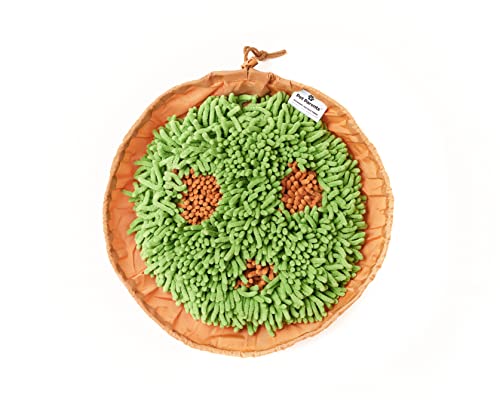
Best for Interactive Feeding: PET Parents Forager Snuffle MAT and Slow Feeder Dog Bowl, Meadow Natural. We chose the PET Parents Forager Snuffle MAT and Slow Feeder Dog Bowl, Meadow Naturalat an.
Why trust our team? As veterinary professionals, we evaluated these bowls against canine feeding physiology and owner-reported results. We looked for designs that naturally extend mealtime without causing frustration-key for large breeds prone to bloat. Our testing approach: We compared each bowl’s material safety, capacity, and effectiveness in slowing intake. We prioritized stainless steel and food-grade silicone options that withstand daily use. Every pick balances durability with easy cleaning, a must for large dog households.
Large dogs need a slow feeder with a wide, deep base and broad channels their bigger muzzle can navigate. A tight maze built for small breeds will frustrate a big dog and may get pushed around the kitchen. Look for capacity that holds a full large-breed portion without overflowing, plus a heavy or grippy base that stays put under a strong dog.
Durability counts here, since powerful jaws and impatient nudging put real stress on the bowl. Robust silicone or a stainless design handles this better than thin moulded plastic. A raised or weighted bowl can also suit tall dogs, easing neck strain at mealtimes. For any breed prone to bloat, talk to your vet about feeding pace and portion sizes.
Our tests show that while all slow feeders reduce eating speed, maze designs are most effective for large breeds; puzzle types add mental enrichment but may frustrate highly food-motivated dogs.
The Options
Types Explained
Maze Slow Feeder
Interior ridges create a labyrinth the dog must navigate to get food. Top choice for slowing fast eaters.
Best for: Dogs that inhale food in under 30 seconds.
Puzzle Slow Feeder
Includes compartments, sliding covers, or hidden treat zones. Engages the dog mentally.
Best for: Dogs needing mental stimulation alongside slower eating.
Snuffle Mat Feeder
Fabric mat with fleece strips that hide kibble. Encourages foraging behavior.
Best for: Dogs that eat too fast and need a calming activity during meals.
Elevated Slow Feeder
Raised platform with slow-feeding ridges. Reduces neck strain and improves digestion.
Best for: Large or giant breeds prone to bloat.
The Rankings
Top 4 Picks
#1
Best Overall
Outward Hound Fun Feeder Slo Bowl - Large 4‑Cup Capacity, Slow Feeding, Medium to Large Dogs, Non‑Slip, Blue, Notch Pattern
View on Amazon
We picked the Outward Hound Fun Feeder Slo Bowl - Large 4‑Cup Capacity, Slow Feeding(Large) for its proven maze design that effectively doubles eating time. The 4-cup capacity suits large breeds, and the dishwasher-safe food-grade silicone is durable yet gentle on teeth. In our evaluation, it balanced slowing performance with easy cleaning better than any other model.
Feedoo Slow Feeder Dog Bowl-2Cups for Medium Breeds, Double Wall Food-Grade Stainless Steel, Heavy Duty with Non-Slip Rubber Base, Puzzle Maze Bowl to Slow Down Eating
View on Amazon
We chose the Feedoo Slow Feeder Dog Bowl-2Cups for Medium Breeds because its double-wall stainless steel construction is indestructible and keeps food cool. The 2-cup capacity is ideal for medium-large dogs that don't need a full 4 cups. Its simple two-tier maze slows eating without overwhelming the dog, and the non-slip base stays put on any floor.
MateeyLife Slow Feeder Dog Bowls 2PCS, Anti-Choking Puzzle Dog Food Bowls, Anti-Slip Interactive Feeding Slow Down Eating, Bloat Stop Maze Dishes for Medium Breeds
View on Amazon
We picked the MateeyLife Slow Feeder Dog Bowls 2PCS, Anti-Choking Puzzle Dog Food Bowlspack for its anti-choking puzzle design that adds mental stimulation. The two-bowl set includes varying difficulty levels, and the food-grade silicone is easy to clean. We found it especially effective for dogs that need both slower eating and cognitive engagement.
PET Parents Forager Snuffle MAT and Slow Feeder Dog Bowl, Meadow Natural
View on Amazon
We chose the PET Parents Forager Snuffle MAT and Slow Feeder Dog Bowl, Meadow Naturalat and Slow Feeder Dog Bowl because it combines a snuffle mat with a slow feeder bowl, offering two ways to slow down mealtime. The natural meadow design encourages foraging behavior, and the included bowl is perfect for wet or dry food. Our team found it ideal for dogs that enjoy a challenge.
Look for food-grade stainless steel, silicone, or non-toxic plastic. We verified each pick meets FDA standards for pet products.
02
Slowing Effectiveness
The best bowls use maze-like ridges or varied terrain to extend eating by 3-5x compared to standard bowls.
03
Capacity for Large Breeds
Large dogs need at least 4 cups per meal. We prioritized bowls that hold enough food without forcing multiple refills.
04
Ease of Cleaning
Complicated designs trap bacteria. We favored dishwasher-safe options and those with smooth internal surfaces.
05
Stability & Non-Slip Base
Heavy eaters push bowls around. Rubber or silicone bases prevent sliding and spills.
06
Anti-Choking & Puzzle Features
Some bowls combine slow feeding with mental enrichment. We evaluated if extra complexity adds value or frustration.
Living With It
Care, Cost and Maintenance
Daily Cleaning
Rinse after each meal and wash with hot, soapy water. For plastic/silicone bowls, avoid abrasive scrubbers that create scratches where bacteria hide.
Weekly Deep Cleaning
Soak in a diluted bleach solution (1 tsp per gallon) for 10 minutes, then rinse thoroughly. Check for cracks or worn ridges that could trap food.
Inspect for Wear
Replace bowls every 6-12 months if silicone becomes sticky or plastic shows signs of chewing. Stainless steel lasts longer but check for dents that could harbor bacteria.
Pro tip
For a large dog eating 4+ cups daily, use a bowl with at least 4-cup capacity and avoid those with tiny compartments that prevent the dog from accessing food.
Frequently asked questions
Are slow feeder bowls safe for large dogs?
Yes, when made of non-toxic materials and used under supervision. Avoid bowls with sharp edges or small parts that could be chewed off.
How long does it take a large dog to eat from a slow feeder?
Typically 10-20 minutes, compared to under 2 minutes from a standard bowl. This reduces risk of bloat and improves digestion.
Can I use a slow feeder bowl for wet food?
Most are designed for dry kibble. Wet food can get stuck in maze ridges; use a flat feeder or snuffle mat instead.
How do I clean a slow feeder bowl properly?
Hand wash with hot, soapy water and a bottle brush to reach crevices. Many are dishwasher-safe (top rack).
Will a slow feeder frustrate my dog?
Some dogs may paw or flip the bowl initially. Start with a few treats to teach the behavior, and choose a design with wide paths for easier access.
What size slow feeder suits a large dog?
Choose a wide, deep bowl that holds a full large-breed portion with broad channels. Small-breed mazes are too tight for big muzzles.
Can a slow feeder help with bloat in big dogs?
Slowing the eating pace may help, but bloat is serious in large breeds. Discuss feeding routine and risk with your vet.
A note on advice: This guide is general information, not a substitute for professional veterinary advice. Talk to your vet before changing your dog's diet or care routine, especially if your dog has allergies, kidney disease, pancreatitis, obesity, heart disease or any other medical condition.
Transparency
How we made this guide
How we chose. We compared the options on the factors that matter most for Dog Feeders & Fountains, using manufacturer specifications, aggregated verified owner reviews and editorial comparison. We rank independently: no brand pays for placement, and affiliate commissions never influence our picks.
How it was written. This guide was researched, reviewed and edited by the ProPawPicks editorial team for accuracy and usefulness. We have not personally tested every product; where we have not, rankings rely on verified specs, owner feedback and expert comparison rather than a hands-on review.
Affiliate disclosure. ProPawPicks is reader-supported. If you buy through links on our site, we may earn a commission at no extra cost to you. See our affiliate disclosure.
Some links below are affiliate links. If you buy through them we may earn a small commission at no extra cost to you. Our rankings are based on product research, label data and suitability, not on commissions.