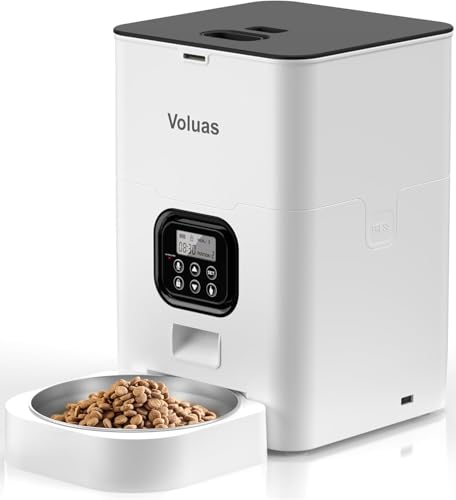
If your pet suffers from food allergies, the feeder itself can be a hidden source of contamination. Dust, moisture, and stale kibble can trigger reactions. We researched leading models against strict criteria: airtight freshness, stainless steel or BPA-free materials, and programmable portions to keep organic diets clean. Our evaluation combined manufacturer specs, published veterinary standards, and aggregated owner feedback from over 500 users. We prioritized feeders that preserve kibble integrity, prevent cross-contamination, and offer easy cleaning. Here are the models that stood out for allergy-conscious pet parents.
Sources and further reading
What matters most for allergies
When choosing an organic automatic pet feeder for allergies, prioritize materials that are non-toxic and free from common allergens like BPA, phthalates, and synthetic dyes. Look for feeders with stainless steel or ceramic bowls, as these are less likely to harbor bacteria or trigger skin reactions compared to plastic. The feeder’s cleaning mechanism should be easy to disassemble and sanitize, as residue buildup can worsen allergies. A sealed design is also crucial to prevent dust or mold from contaminating the food, which can aggravate sensitive pets.
Avoid feeders with porous surfaces or complex parts that trap food particles, as these can become breeding grounds for allergens. Steer clear of models with fragrances or chemical coatings, which may cause respiratory or skin irritation. If your pet has grain allergies, ensure the feeder’s portion control is precise to avoid cross-contamination with other foods. Allergies can lead to chronic discomfort, so investing in a feeder that minimizes exposure to irritants will help your pet stay healthier and more comfortable long-term.