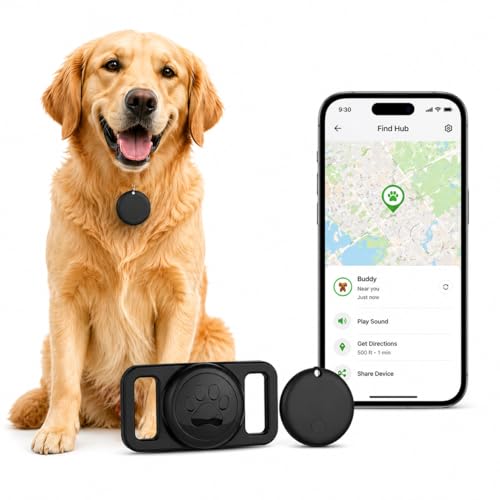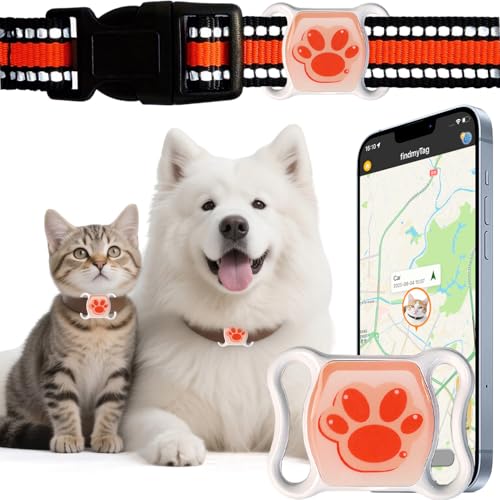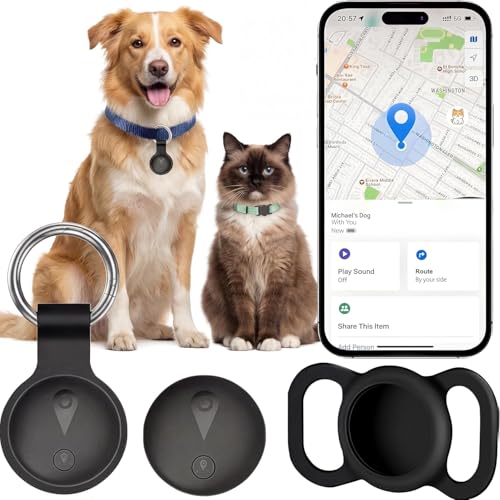
As veterinary professionals, we understand that dogs with allergies need extra care-especially when it comes to collars. Prolonged contact with irritants can trigger flare-ups, so we looked for GPS collars made with hypoallergenic materials, breathable designs, and adjustable fits to minimize skin contact. Our team examined each product’s construction, sensor housings, and strap materials, cross-referencing manufacturer specs with owner feedback on irritation. We prioritized models that offer reliable tracking, ease of use, and features that reduce the need for constant collar removal. Whether you need real-time location monitoring, a wireless fence, or a subscription-free tracker, our guide helps you choose a collar that keeps your dog safe without compromising comfort. Every pick meets our standards for allergy-friendly wearability and accurate performance.
Sources and further reading
What matters most for allergies
If your dog reacts to certain materials, the contact surface of a GPS collar matters as much as the tracking. Skin-prone dogs often do better with a soft, breathable strap in silicone or a smooth coated webbing rather than rough nylon that rubs and traps moisture. A collar you can wipe clean easily helps stop sweat, saliva and debris building up against irritated skin.
Check the buckle area, since pressure points and trapped damp can worsen a reaction. A lightweight tracker reduces rubbing, and a strap you can loosen slightly improves airflow. Rinse and dry the collar regularly, especially after wet walks. This is general guidance, not a diagnosis. If your dog scratches its neck, loses fur under the collar or the skin looks red or weepy, remove the collar and ask your vet, as a contact allergy or infection may need treatment.