Quick answer
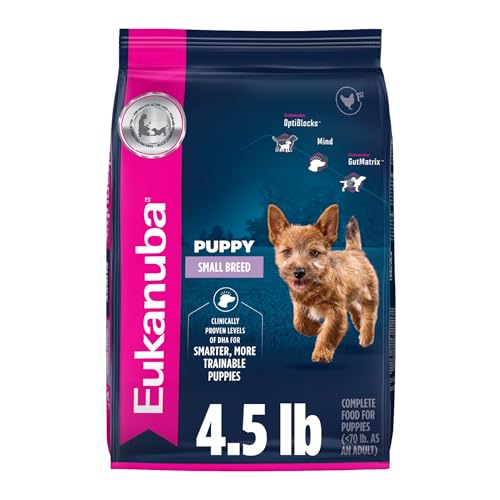
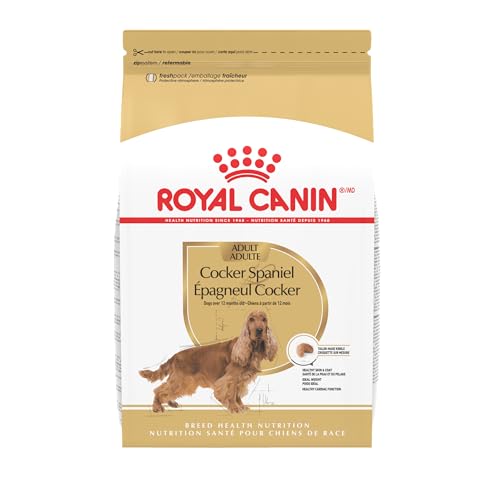
Our top pick for most Cocker Spaniel puppies is Royal Canin Cocker Spaniel Puppy Dry Dog Food, because it is formulated specifically for this breed’s growth window, carries an AAFCO complete and balanced statement for growth, and includes nutrients aimed at skin and coat support, an area where Cockers often struggle. If you want a widely studied option from a brand with in house research, Purina Pro Plan Puppy Small Breed Chicken and Rice is an excellent runner up. For sensitive tummies, consider Hill’s Science Diet Puppy Sensitive Stomach and Skin, and for a lower cost route that still meets growth standards, Diamond Naturals Small and Medium Breed Puppy fits the budget. Always confirm the right choice with your veterinarian, especially if your puppy has a known health condition.
What to consider for Puppy Food For Cocker Spaniel
Cocker Spaniels finish growing as a small to medium breed, typically reaching around 20 to 30 pounds, so they generally do best on a small breed or all breed growth recipe rather than a large breed puppy formula. The breed is well known for long, floppy ears and a dense coat, which can make them prone to ear infections and skin or coat issues, so recipes with named protein, balanced omega fatty acids, and quality fats are worth prioritizing for skin and coat support. Cockers can also be food motivated and gain weight easily, so moderate calorie density and careful portioning matter. Smaller kibble sizes are easier for a puppy mouth to manage. Because this breed has reported sensitivities in some lines, a single named protein and a simple ingredient list can help if your puppy shows signs of intolerance. None of this replaces veterinary advice, so consult your veterinarian if your puppy has digestive, skin, or ear problems.
What to look for in a dog food
Start with the label. Look for an AAFCO complete and balanced statement for growth (or for all life stages), which signals the food is designed to fully nourish a puppy rather than serve as a treat or topper. Choose a recipe with a named meat as the first ingredient, such as chicken, lamb, or salmon, rather than a vague “meat meal” with no animal named. For a growing small to medium breed, a practical target is often roughly 26 to 32 percent protein and about 14 to 20 percent fat on a dry matter basis, though these are general ranges and not strict medical rules. Calorie density matters because Cockers gain weight easily, so portion to your puppy’s body condition rather than the bag’s maximum. Pick a small breed or all breed puppy formula rather than a large breed puppy food, since the breed does not need the slowed growth and lower calcium targeting that large breed puppies require. Omega 3 and omega 6 fatty acids, often from fish oil or named fish, can support skin and coat health, which is helpful for this coated breed. Your veterinarian can help you confirm the right protein, fat, and calorie level for your individual puppy.
How we chose these picks
- We compared products using publicly available manufacturer information, ingredient lists, and stated AAFCO nutritional adequacy statements.
- We prioritized recipes that meet AAFCO complete and balanced standards for growth or all life stages.
- We favored foods with a named animal protein as the first ingredient over generic meat meals.
- We checked that each pick is appropriate for a small to medium breed puppy rather than a large breed growth formula.
- We looked for kibble size, calorie density, and fat levels that suit an easily weight gaining breed.
- We noted omega fatty acid and skin and coat support, which is relevant for the breed’s dense coat.
- We reviewed each brand’s recall history and manufacturing transparency where that information was publicly available.
- Never ranked a product higher just because it pays a commission.
What to avoid
- An unnamed “meat meal” listed as the only protein source, with no animal species named on the label.
- Defaulting to grain free or legume heavy recipes. The FDA investigation into a potential link between certain diets and canine dilated cardiomyopathy is ongoing, and grain inclusive food is generally the safer default unless your veterinarian advises otherwise.
- Feeding an all life stages or large breed formula intended for big dogs to a small to medium breed puppy, since the growth nutrient targeting differs.
- Abrupt diet switches. Transition gradually over about 7 to 10 days to reduce the risk of stomach upset.
For more help choosing and feeding the right products, browse our dog guides, our dog food coverage, and our dog nutrition resources.