Quick answer
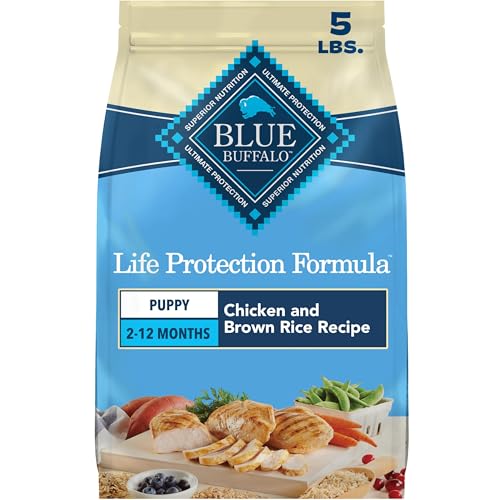
For most French Bulldog puppies, our top overall pick is Royal Canin French Bulldog Puppy Dry Dog Food, a small breed puppy recipe with a kibble shape designed for short, flat muzzles and an AAFCO statement for growth. If your Frenchie has a touchy stomach, Hill’s Science Diet Small Paws Puppy or Purina Pro Plan Small Breed Puppy Sensitive Skin and Stomach may sit better. On a tighter budget, Diamond Naturals Small Breed Puppy covers the basics well, and if you want a familiar grain inclusive option, Blue Buffalo Life Protection Formula Small Breed Puppy fits. Always confirm any change with your veterinarian.
What to consider for Puppy Food For French Bulldog
French Bulldogs are a small breed, so they need a small breed puppy formula, not a large breed one. Small breeds grow fast and have higher energy needs per pound, and small kibble is easier for a puppy mouth to pick up and chew. Frenchies are also brachycephalic (flat faced), which can make grabbing and chewing standard kibble awkward, so a smaller or shaped piece helps. This breed is widely associated with sensitive digestion, gas, and skin or food sensitivities, so a single, named animal protein and a simple, consistent recipe often suit them. They are also prone to becoming overweight, which strains their joints and breathing, so portion control and a measured, calorie aware approach matter from day one. None of this replaces medical advice; if your puppy has diarrhea, vomiting, persistent itching, or poor growth, talk to your veterinarian.
What to look for in a dog food
Start with the label. Look for an AAFCO complete and balanced statement for growth (or for “all life stages”), which tells you the food is formulated as a full diet rather than a topper. Confirm a named meat is the first ingredient, such as chicken, deboned chicken, lamb, or salmon, rather than a vague “meat” or “animal” term. For a small breed puppy, practical protein levels commonly fall around 26 to 32 percent and fat around 14 to 20 percent on a dry matter basis, with calorie density often near 380 to 450 kcal per cup, though exact needs vary by puppy. Choose a small breed formula rather than large breed, since large breed puppy foods are tuned to slow growth and controlled calcium for big dogs. Omega 3 fatty acids such as DHA support normal development and skin, and many small breed puppy foods include them. Use these as general ranges to compare products, not as medical rules; your veterinarian can tailor targets to your individual dog.
How we chose these picks
- We focused on small breed puppy formulas appropriate for a French Bulldog’s size, growth rate, and flat faced chewing.
- We required a clear AAFCO complete and balanced statement for growth or all life stages on each product.
- We prioritized recipes that list a named animal protein as the first ingredient.
- We compared protein, fat, and calorie information using publicly available manufacturer data and established nutrition guidance.
- We weighted digestibility and sensitive stomach suitability, since Frenchies are commonly prone to gas and food sensitivities.
- We checked for omega 3 or DHA support relevant to a growing puppy’s skin and development.
- We favored established brands with consistent formulas and clear feeding guidelines, and we noted at least one honest trade-off per pick.
- Never ranked a product higher just because it pays a commission.
What to avoid
- An unnamed “meat meal” or generic “meat” as the only protein source, which tells you little about quality or species.
- Defaulting to grain-free or legume heavy (pea, lentil, chickpea) recipes. The FDA investigation into a potential link between certain diets and canine dilated cardiomyopathy is ongoing, and grain inclusive recipes are the safer default unless your veterinarian advises otherwise.
- Feeding an all-life-stages or adult food when your puppy needs growth nutrition, and feeding a large breed puppy formula to your small breed Frenchie, since large breed recipes are tuned for different growth.
- Abrupt diet switches. Transition over about 7 to 10 days by mixing increasing amounts of the new food, since sudden changes often upset a Frenchie’s sensitive stomach.
For more help, browse our dog guides, our dog food reviews, and our dog nutrition resources to match the right diet to your puppy.