Quick answer
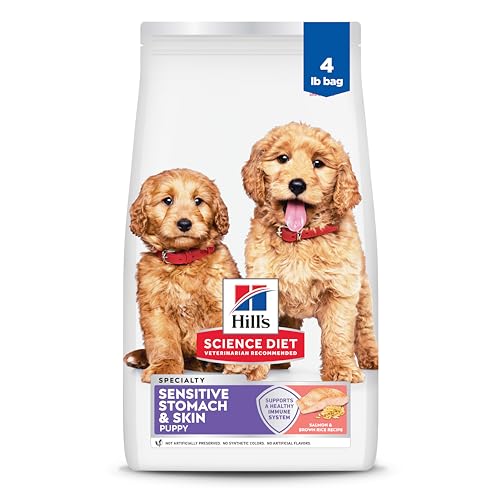
Our top pick for picky puppies is Purina Pro Plan Puppy Chicken & Rice Formula. Its high-quality chicken as the first ingredient and palatable texture appeal to finicky eaters, while providing complete and balanced nutrition for growth. For puppies with sensitive stomachs, Hill’s Science Diet Puppy Sensitive Stomach & Skin is a great alternative, featuring easily digestible ingredients and added omega fatty acids.
What to consider for Puppy Food For Picky Eaters
Picky eating in puppies can stem from texture preferences, flavor aversions, or even teething discomfort. Look for foods with a strong aroma and appealing taste, such as those with real meat or poultry as the first ingredient. Avoid artificial flavors or excessive fillers that may reduce palatability. Also consider kibble size and shape; smaller or uniquely shaped pieces can be more enticing. Wet food or toppers can be mixed in to increase appeal. Always transition gradually to avoid digestive upset.
What to look for in a dog food
Choose a puppy food that is AAFCO complete and balanced for growth. The first ingredient should be a named meat source like chicken, lamb, or salmon. Protein content should be around 22 to 32 percent on a dry matter basis, fat around 8 to 22 percent, and calories between 300 to 500 kcal per cup, depending on breed size. For large breed puppies, ensure calcium levels are appropriate (around 1.0 to 1.5 percent) to support controlled growth. Look for DHA for brain development and omega fatty acids for skin and coat health. Grain-inclusive recipes are generally safe unless your vet advises otherwise.
How we chose these picks
- Evaluated ingredient lists for named meat sources and absence of artificial additives.
- Checked AAFCO nutritional adequacy statements for growth or all life stages.
- Considered palatability based on customer feedback and brand reputation.
- Prioritized recipes with added DHA and omega fatty acids for puppy development.
- Reviewed kibble size and shape for small and large breed suitability.
- Assessed value by comparing price per pound and feeding cost.
- Consulted veterinary nutrition guidelines from WSAVA and AAFCO.
- Never ranked a product higher just because it pays a commission.
What to avoid
- Foods where an unnamed “meat meal” is the only protein source; always look for named meals like chicken meal or salmon meal.
- Defaulting to grain-free or legume-heavy recipes without veterinary advice, as the FDA continues to investigate a potential link to canine dilated cardiomyopathy (DCM).
- All-life-stages formulas for large breed puppies, as they may have inappropriate calcium levels.
- Abrupt diet switches; transition over 7 to 10 days by mixing increasing amounts of new food.
For more guidance, check our dog guides, dog food, and dog nutrition sections.